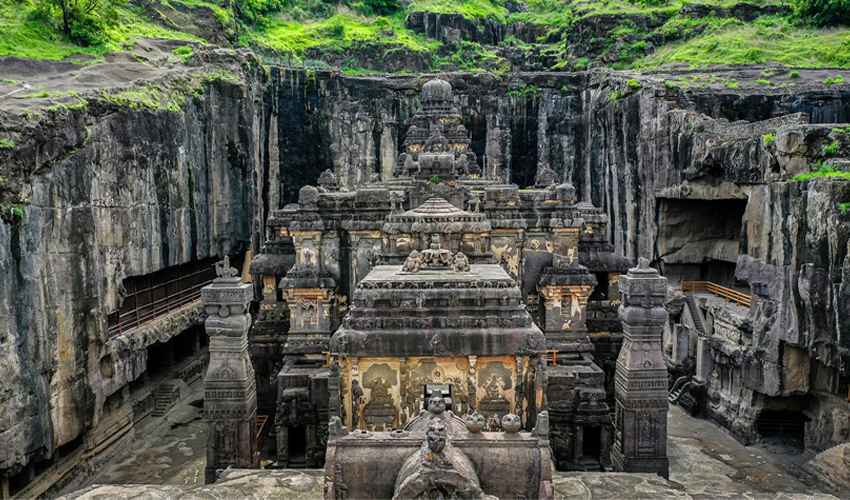
Tucked away on a rocky hillside in the village of Sankhu in Rajasthan’s Churu district, Sankhu Fort is one of those hidden gems that rarely makes it onto a typical Rajasthan itinerary — and that’s exactly what makes it worth the detour. Built with thick brick walls, imposing gates, and sturdy watchtowers, the fort is a fine example of Rajput military architecture, constructed to guard nearby villages and trade routes rather than to serve as a royal residence. Its history traces back to the Thakurs of Sankhu, descendants of Maharaja Kishan Singhji, who received hereditary honors from Raja Rai Singhji, the sixth ruler of Bikaner, back in 1618 AD.
Because Sankhu Fort sits in the Thar Desert belt of Rajasthan, the region experiences extreme temperature swings across the year. Choosing the right season to visit can be the difference between a memorable, comfortable exploration and an exhausting trip cut short by the heat. This guide breaks down exactly when to go, what to expect during each season, and how to plan your visit for the best possible experience.
Why Timing Matters at Sankhu Fort
Unlike forts located in hill stations or coastal areas, Sankhu Fort doesn’t have the luxury of a temperate microclimate to soften Rajasthan’s harsh desert weather. The fort is perched on a hilltop, exposed to direct sun with very little natural shade along the climbing paths. There’s also no food available within several kilometers of the site, and the terrain underfoot is uneven and rocky. All of this means that weather conditions directly shape how enjoyable — or how gruelling — your visit will be.
Add to this the fact that Sankhu Fort remains an off-the-beaten-path destination with no entry fee and minimal tourist infrastructure, and it becomes clear that a little planning goes a long way. Picking the right month not only makes the climb more comfortable but also enhances photography, wildlife spotting, and the overall atmosphere of exploring a centuries-old military stronghold.
The Best Time to Visit: October to March
Hands down, the ideal window to visit Sankhu Fort is between October and March. During these months, Rajasthan shakes off its punishing summer heat and settles into a much more forgiving climate, with daytime temperatures generally ranging from pleasantly cool to mildly warm, and nights that are crisp and comfortable. This is the stretch of the year when most travelers explore Rajasthan’s forts, palaces, and desert towns, and Sankhu Fort is no exception to this rule.
October and November: The Transition Season
Early autumn marks the end of the monsoon and the beginning of Rajasthan’s tourist season. By October, the humidity from the rains has cleared, vegetation around the fort is still relatively green from the recent showers, and the air feels fresh. Temperatures in October hover in a comfortable range, gradually cooling further into November. This is an excellent time to visit if you want to combine pleasant weather with the lingering greenery of the monsoon, giving the arid landscape a slightly softer, more scenic look than it has for most of the year.
December and January: Peak Winter Charm
For many visitors, December and January represent the sweet spot for visiting Sankhu Fort. Mornings can be quite chilly, occasionally requiring a light jacket or shawl, but afternoons warm up just enough to make climbing the fort’s rocky pathways comfortable rather than draining. The skies are typically clear during this period, offering excellent visibility for photography — both of the fort’s rugged stonework and of the sweeping countryside views from its bastions. Winter is also when the surrounding scrubland attracts more birdlife, making this a particularly good season for the birdwatchers among Rajasthan’s visitors, since the fort’s quiet, remote setting is already known as a haven for local bird species.
If you’re planning a broader Rajasthan trip that includes nearby Sikar, Shekhawati’s frescoed havelis, or Laxmangarh Fort, winter is also the most practical time to string together a multi-stop itinerary without weather disrupting your plans.
February and March: Late Winter Comfort
By February, temperatures begin their gradual climb back up, but the region still retains much of its winter comfort. March marks the tail end of the favorable window — days grow noticeably warmer, and by the later weeks of the month, the first hints of Rajasthan’s coming summer heat start to show. This is a good time for travelers who prefer slightly warmer days but still want to avoid the peak heat of the following months. It’s also often a quieter time to visit compared to the December–January rush, if you’re hoping for a more solitary, contemplative experience among the fort’s ruins.
Why You Should Avoid the Summer Months
From April through June, Rajasthan experiences some of the most intense heat in India, with the Churu district in particular known for recording extremely high temperatures during peak summer. Sankhu Fort offers little to no shade along its approach and interior pathways, and the exposed hilltop location amplifies the heat considerably. Climbing uneven, sunbaked rock in this kind of weather isn’t just uncomfortable — it can be genuinely risky without proper precautions.
If a summer visit is unavoidable due to travel scheduling, plan your visit strictly for the very early morning hours, right after sunrise, and be prepared to leave before the late morning heat sets in. Carrying far more water than you think you’ll need is essential, since there’s nowhere nearby to restock.
What About the Monsoon Season?
The monsoon months of July through September bring a welcome, if brief, reprieve from the desert heat, along with occasional rainfall that can transform the otherwise dusty landscape into a temporarily greener setting. However, this season comes with its own challenges. Rainfall in this part of Rajasthan is unpredictable and can be either scarce or suddenly heavy, and the fort’s uneven, rocky terrain becomes slippery and more hazardous when wet. Humidity also tends to rise even without direct rainfall, which can make the physical exertion of exploring the fort more tiring than expected. For most travelers, monsoon is a secondary option — pleasant on a good day, but far less predictable than the winter window.
Time of Day Matters Too
Beyond choosing the right season, the time of day you visit can shape your experience just as much. Early mornings, shortly after sunrise, offer the coolest temperatures, the softest light for photography, and the best chance of spotting birds before the day heats up and activity quiets down. Late afternoon, closer to sunset, is another excellent window — the fading light casts long shadows across the fort’s weathered walls and bastions, creating a dramatic, atmospheric backdrop for photographs. Midday visits, particularly outside of the winter months, are best avoided given the lack of shade on-site.
Practical Tips for Your Visit
A few preparations can make a noticeable difference to your experience, regardless of which month you choose to visit:
- Carry ample water and snacks. There are no food stalls or shops within several kilometers of the fort, so come prepared.
- Wear sturdy, comfortable footwear. The paths leading up to and around the fort are uneven and rocky, making proper shoes essential.
- Arrange transportation in advance. Sankhu Fort sits in a fairly isolated part of Churu district, so having a car or pre-arranged local transport will save considerable time and hassle, especially since the nearest railway station and airport are both over 100 kilometers away.
- Combine your trip with nearby attractions. Sikar, with its bustling markets and Shekhawati havelis, and Laxmangarh Fort are both within reasonable driving distance and pair well with a Sankhu Fort visit.
- Respect local customs. As with any rural heritage site in Rajasthan, being mindful of local traditions and the surrounding community goes a long way.
Final Thoughts
Sankhu Fort may not carry the fame of Rajasthan’s grander forts and palaces, but that’s precisely its appeal — a quiet, rugged, and authentic slice of Rajput history without the crowds. Timing your visit between October and March, and ideally during the cooler months of December and January, will let you explore its bastions, courtyards, and hilltop views in comfort rather than in a race against the desert sun. Whether you’re a history enthusiast eager to trace centuries-old defensive architecture, a photographer chasing golden-hour light on ancient stone, or simply a traveler looking for an off-the-beaten-path escape, a well-timed visit to Sankhu Fort promises a rewarding and memorable experience.