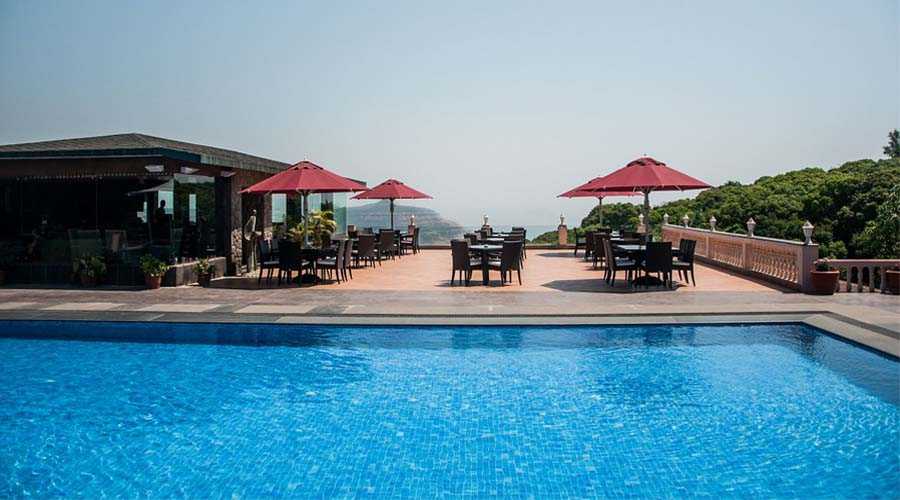
Kerala’s backwaters have long drawn travelers searching for still water, palm-fringed shores, and a slower pace of life. Among the many properties dotting the banks of Vembanad Lake, Lemon Tree Vembanad Lake Resort has carved out a reputation as a comfortable, mid-to-upscale base for exploring Alleppey and its surrounding waterways. If you’re considering a stay here, this guide walks you through exactly where the resort sits, what you can expect to pay, and how to book smartly so you get the best value for your trip.
Where Is Lemon Tree Vembanad Lake Resort Located?
The resort sits directly on the western shore of Vembanad Lake in Muhamma, a small backwater town in Alleppey (Alappuzha) district. Vembanad is India’s longest lake and Kerala’s largest, and the resort’s position gives nearly every room a direct or partial view of the water — a detail that consistently comes up in guest feedback as one of the property’s strongest draws.
The exact address is Jana Sakthi Road, Kayippuram, Muhamma, Alleppey, and its lakeside setting means Kochi, Kottayam, and Kumarakom are all reachable by a mix of road and ferry, which is part of the charm if you enjoy combining a road trip with a boat ride.
Here’s how the resort measures up in terms of distance from key travel points:
- Cochin International Airport (COK): Roughly 47 miles (about 75 km), making it the nearest major airport for most travelers flying in.
- Alleppey Railway Station: Around 11–12 miles away, roughly a 25–30 minute drive.
- Cherthala Railway Station: About 13 km, also around 25 minutes by road.
- Marari Beach: Approximately 7–9 miles away, an easy half-day trip for those who want to pair backwaters with a beach afternoon.
- Kumarakom: About 11 miles, a short hop for houseboat cruises or a visit to the Kumarakom Bird Sanctuary.
- St. Andrew’s Basilica of Arthunkal: Around 8 miles, worth a stop if you’re interested in the region’s colonial-era churches.
- Pathiramanal Island Bird Sanctuary: A boat ride away, popular with birdwatchers visiting between November and February.
In short, the resort isn’t in the thick of Alleppey town, and that’s largely the point. It’s tucked into a quieter stretch of the lake, close enough to the main attractions for day trips but removed enough that evenings feel calm and uncrowded. If your priority is proximity to Alleppey’s houseboat jetties or the town’s markets and restaurants, you’ll want a short drive; if your priority is waking up to lake views and birdsong, the location delivers.
What Does It Cost to Stay There?
Lemon Tree Vembanad Lake Resort is generally positioned as a moderately priced, full-service resort rather than an ultra-luxury property, which is reflected in its rates. That said, pricing swings noticeably depending on the season, the room category, and how far in advance you book.
Typical nightly rates for a standard or executive room generally start somewhere in the range of ₹9,000–₹12,000 (roughly $110–$160) before taxes, based on rates seen across major booking platforms. Lake-facing rooms, pool-deck rooms, and suites — such as the Junior Lake Front Suite or Superior Lake Front Suite — command a premium over standard categories, sometimes pushing rates well above ₹12,000 per night during peak periods.
A few pricing factors worth keeping in mind:
- Room category matters a lot. The resort offers a spread of options, including Superior Rooms, Superior Lake Front Rooms, Superior Pool Deck Lake Front Rooms, Junior Lake Front Suites, and Superior Lake Front Suites. The jump in price from a standard room to a suite can be significant, so it’s worth deciding early whether the lake view is a must-have or a nice-to-have.
- Extra guests and children are charged separately. Children above a certain age (commonly six years old, though policies can shift) are typically billed at adult rates for extra beds, generally in the ₹1,500 per person, per night range. Extra beds or cribs are on request and usually cost extra, so confirm this at the time of booking rather than assuming it’s included.
- Taxes and fees are often quoted separately. Advertised room rates frequently exclude GST and service charges, which can add a meaningful amount to your final bill. Always check whether the price you’re seeing is the base rate or the total payable at checkout.
- Seasonality drives the biggest swings. Kerala’s peak tourist season runs roughly from November through February, when cooler weather and the post-monsoon lush greenery make the backwaters especially appealing. Rates during this window tend to be at their highest. The monsoon season (June–September) and the shoulder months around March–May typically offer the lowest rates, along with the added bonus of Ayurvedic wellness packages, which many resorts in the region promote heavily during monsoon.
- Meal plans affect the total cost. Some rate plans include breakfast, while others are room-only. Given that the resort’s in-house Citrus Café serves multi-cuisine food, it’s worth comparing a bed-and-breakfast rate against a room-only rate, especially if you’d rather have flexibility to eat out during the day.
It’s worth noting that guest experiences on maintenance and value-for-money have been mixed in more recent reviews, with some travelers flagging that upkeep hasn’t always matched the price point, while others report excellent service and a genuinely relaxing stay. This is a useful reminder to check recent reviews close to your travel dates rather than relying solely on older ratings, since resort conditions and management can change over time.
Smart Booking Tips
Booking a backwater resort isn’t quite the same as booking a city hotel — a few extra considerations can save you money and disappointment.
1. Book directly or compare at least three platforms. Rates for the same room and dates can vary meaningfully between the resort’s own website, and third-party sites. Booking directly sometimes unlocks perks like complimentary upgrades or flexible cancellation, while third-party platforms occasionally run discounts unavailable elsewhere. A quick five-minute comparison before confirming is worth the effort.
2. Lock in lake-facing rooms early. With only around two dozen rooms in the property, lake-view and pool-deck categories sell out faster than standard rooms, especially around weekends and the November–February peak season. If a water view matters to your trip, book at least a few weeks ahead during peak months.
3. Ask about check-in and check-out flexibility. Standard check-in is 2:00 PM and check-out is 12:00 PM. If you’re arriving on an early flight or have a late departure, ask whether early check-in or late check-out is available — it often is, sometimes for a small fee, but only if you request it in advance rather than assuming it on arrival.
4. Clarify what’s included before you pay. Because taxes, extra beds, and meal plans are frequently quoted separately from the headline room rate, ask for (or read carefully) a full breakdown of the total cost before finalizing your booking. This avoids surprises at checkout.
5. Time your visit around your priorities, not just the calendar. If budget is the main concern, the monsoon and shoulder seasons offer noticeably lower rates and a quieter property, though you’ll trade off some of the clear-sky boating weather. If postcard-perfect weather and full activity access matter more, plan for the November–February window and book well ahead.
6. Check cancellation terms carefully. Cancellation and prepayment policies vary by room type, and some discounted rates are non-refundable. If your travel plans aren’t fully locked in, a slightly higher refundable rate can be worth the peace of mind.
7. Arrange airport transfers ahead of time. Since the nearest major airport is over an hour and a half away by road, it’s worth confirming airport pickup with the resort in advance rather than trying to arrange transport on arrival, particularly if you’re landing late in the evening.
8. Read recent reviews, not just the overall rating. Because guest experiences have varied on aspects like maintenance and food quality, skim the most recent reviews (rather than the average score alone) shortly before you travel to get a realistic sense of current conditions.
Final Thoughts
Lemon Tree Vembanad Lake Resort offers what many travelers come to Kerala for: unhurried lake views, easy access to houseboat cruises and bird sanctuaries, and a comfortable, mid-range price point relative to some of the ultra-luxury backwater properties nearby. The key to a good experience here comes down to matching your room choice and travel dates to what you actually want — whether that’s a quiet monsoon getaway at a lower price or a peak-season stay with a guaranteed lake view. A little planning around booking timing, room category, and total costs goes a long way toward making sure your stay on the shores of Vembanad Lake lives up to the postcard.