Tucked away in the lower Himalayas of West Bengal, Darjeeling has captured the imagination of travelers, poets, and tea connoisseurs for well over a century. Long before “bucket list” became a modern phrase, British colonists, Bengali aristocrats, and international visitors were already making the arduous journey up these misty slopes to escape the plains and breathe in mountain air. Today, Darjeeling is affectionately known across the world as the “Queen of Hill Stations,” a title that isn’t just a marketing phrase but a reflection of the town’s unmatched blend of natural beauty, cultural richness, and old-world charm. But what exactly earned this small Himalayan town such a grand and enduring nickname? Let’s explore the layers of history, geography, culture, and sheer aesthetic appeal that make Darjeeling deserving of its royal title.
A Crown Set Against the Himalayas
The most obvious reason Darjeeling is called a “queen” lies in its jaw-dropping location. Perched at an altitude of about 2,050 meters (6,700 feet), the town offers uninterrupted views of Kanchenjunga, the third-highest mountain in the world. On clear mornings, the sight of the sun rising over this snow-capped giant from viewpoints like Tiger Hill is nothing short of magical. Few hill stations in the world can boast such proximity to a peak of this scale, and it is this dramatic, ever-present backdrop that gives Darjeeling its regal aura. The town seems to sit like a crown upon the ridge, with the mighty Himalayan range as its jeweled backdrop, a visual metaphor that has stuck for generations.
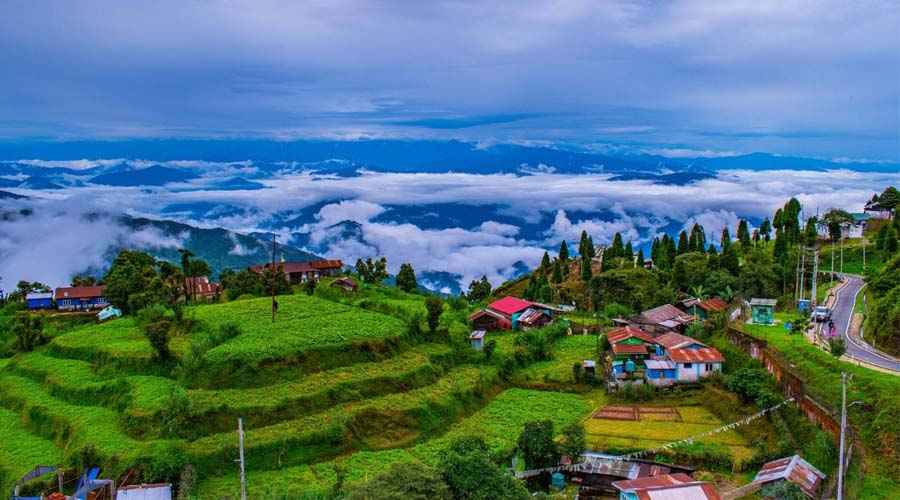
Unlike many hill stations that offer pleasant weather but relatively ordinary scenery, Darjeeling combines altitude, forest cover, and mountain vistas in a way that feels almost cinematic. Layers of pine and rhododendron forests roll down into deep valleys, tea gardens carpet the slopes in emerald green, and clouds drift through the streets themselves, wrapping the town in ethereal mist for much of the year. This ever-changing, almost theatrical landscape is a major reason travelers describe Darjeeling not just as beautiful, but as majestic.
The Legacy of British Colonial Elegance
Darjeeling’s royal reputation is deeply tied to its colonial past. In the mid-19th century, the British East India Company recognized the town’s cool climate as an ideal retreat from the scorching heat of the Indian plains. They began developing it as a sanatorium and summer retreat for British officials, complete with churches, boarding schools, clubs, and colonial-style bungalows. This careful, almost aristocratic planning gave Darjeeling an air of refinement rarely found in other hill towns of the region.
Architectural landmarks such as St. Andrew’s Church, the Darjeeling Planters’ Club, and various heritage buildings still echo this bygone era. Elite boarding schools established during colonial times continue to operate today, drawing students from across India and abroad, further reinforcing the town’s image as a place of prestige and sophistication. Even the famous Darjeeling Himalayan Railway, a UNESCO World Heritage Site fondly nicknamed the “Toy Train,” was built in 1881 to ferry British officials and goods up the steep mountain slopes. Riding this narrow-gauge train today, chugging slowly through market squares and pine forests, feels like stepping into a living piece of royal history, one more reason the “Queen” title feels earned rather than exaggerated.
Tea: The Crown Jewel of Darjeeling’s Identity
No discussion of Darjeeling’s regal status would be complete without mentioning its tea. Often called the “Champagne of Teas,” Darjeeling tea is prized worldwide for its delicate muscatel flavor, a taste that cannot be replicated anywhere else due to the unique combination of altitude, soil composition, rainfall, and mist in the region. Tea estates such as Makaibari, Glenburn, and Happy Valley have been cultivating this prized crop since the 1850s, and many still follow traditional hand-plucking methods that preserve the leaf’s delicate quality.
This association with a globally luxurious product has done as much for Darjeeling’s reputation as its scenery has. Just as Champagne carries an aura of French elegance, Darjeeling tea carries an aura of Himalayan refinement. The rolling tea gardens that blanket the hillsides are not just economically significant, they are visually stunning, drawing photographers and tourists eager to walk among the neatly pruned bushes at sunrise. It is fitting that a region producing what many consider the world’s finest tea would also be crowned the “Queen” among hill stations.
A Melting Pot of Cultures and Communities
Darjeeling’s charm isn’t only about mountains and tea, it is equally about its people. The town is a vibrant cultural mosaic, home to Nepali, Bhutia, Lepcha, Bengali, and Tibetan communities living together in relative harmony. This diversity is reflected in the local festivals, cuisines, monasteries, and markets that line its winding streets. The aroma of momos and thukpa mingles with the scent of fresh tea leaves, while colorful prayer flags flutter alongside colonial-era clock towers.
Buddhist monasteries such as Ghum Monastery add a spiritual dimension to the town, while the bustling Chowk Bazaar offers a slice of everyday local life. This blend of cultures gives Darjeeling a cosmopolitan character rarely found in hill towns of comparable size, another quality befitting a “queen” who welcomes people from all walks of life into her court.
Global Recognition and Enduring Appeal
Over the decades, Darjeeling has featured in literature, films, and travel writing that have only cemented its royal reputation. Writers and travelers alike have long romanticized the town’s misty mornings, toy train whistles, and panoramic sunrises. International recognition of its tea, its UNESCO-listed railway, and its status as a premier Himalayan getaway have all contributed to its lasting global admiration.
Even as newer hill destinations have emerged across India and the world, Darjeeling has retained its old-world charm without becoming overly commercialized in the way some other tourist hubs have. Its blend of natural grandeur, historical depth, cultural diversity, and world-famous tea continues to draw visitors seeking both relaxation and inspiration.
Conclusion
Darjeeling’s title as the “Queen of Hill Stations” is not a hollow nickname bestowed for marketing appeal, it is a well-earned recognition of everything the town represents. From its stunning views of Kanchenjunga and its colonial-era architecture to its world-renowned tea gardens and rich cultural tapestry, Darjeeling offers an experience that feels genuinely regal. It is a place where nature, history, and culture converge in a way few other destinations can match, ensuring that its royal reputation will continue to be admired by travelers around the world for generations to come.