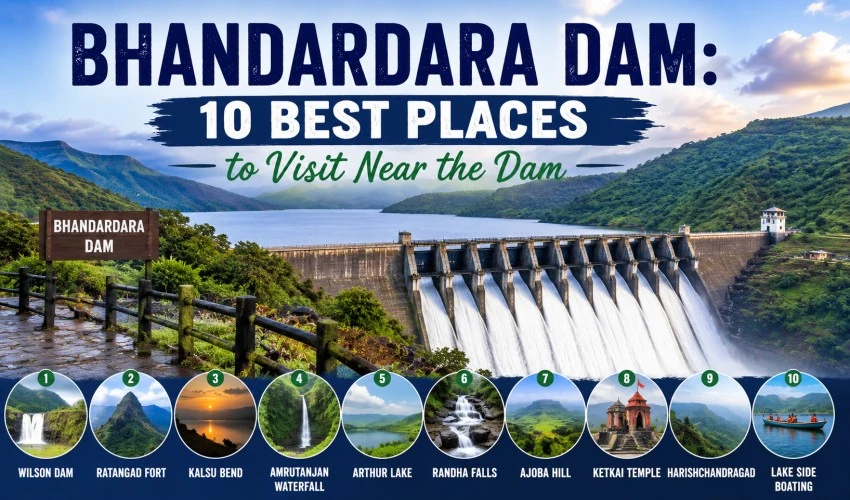
Tucked away in the folds of the Sahyadri mountain range in Maharashtra’s Ahmednagar district, Bhandardara is one of those rare destinations that manages to stay peaceful even as its popularity grows every year. At the heart of this hill station lies the Bhandardara Dam, officially known as the Wilson Dam, a colonial-era gravity dam built across the Pravara River in 1910. Named after Sir Leslie Wilson, a former Governor of Bombay, this dam is one of the oldest of its kind in the country and continues to be a vital source of irrigation and drinking water for the surrounding region.
But Bhandardara is not just about the dam. It is a complete package of misty mountains, cascading waterfalls, ancient forts, dense forests, and a serene lake that together create a landscape straight out of a postcard. Whether you are a trekking enthusiast, a photography lover, a nature seeker, or simply someone looking to escape the chaos of city life, Bhandardara has something for everyone. The best time to visit is during the monsoon season, from June to September, when the entire region turns a lush green and the waterfalls are in full flow, or in winter, from October to February, when the weather is pleasant and the skies are clear for stargazing and camping.
If you are planning a trip to this scenic corner of Maharashtra, here is a detailed guide to the 10 best places to visit near Bhandardara Dam that will help you plan a memorable itinerary.
1. Arthur Lake (Bhandardara Lake)
Right behind the Wilson Dam lies Arthur Lake, a vast reservoir formed by the damming of the Pravara River. This lake is often the first stop for visitors because of the sheer calmness it exudes. Surrounded by hills on almost all sides, the water here takes on different shades depending on the time of day, from a deep blue in the morning to a golden hue at sunset.
Boating is one of the most popular activities on the lake, and local operators offer both regular and speed boat rides that let you get closer to the surrounding hills and enjoy uninterrupted views of the Sahyadri range. Many travelers also choose to simply sit by the banks with a hot cup of tea, watching the mist roll over the water during early mornings. For photographers, this is one of the most rewarding spots in the region, especially during sunrise when the reflections on the still water create a mirror-like effect.
2. Wilson Dam Viewpoint
While the dam itself is the reason most people visit Bhandardara, standing near its base or at the designated viewpoint offers a completely different perspective of its scale and engineering. Built entirely of cut stone masonry without the use of modern reinforced concrete, the Wilson Dam is a remarkable example of early twentieth-century construction techniques.
During the monsoon, when the dam’s gates are opened to release excess water, the sight is nothing short of spectacular. The roar of water gushing down creates a natural spectacle that draws crowds from across the state. It is advisable to check with local authorities or your accommodation about gate-opening schedules, as these are often announced a day in advance and attract heavy footfall. Even outside of the monsoon, the dam’s structure against the backdrop of the hills makes for a striking sight and a great spot for photography.
3. Randha Falls
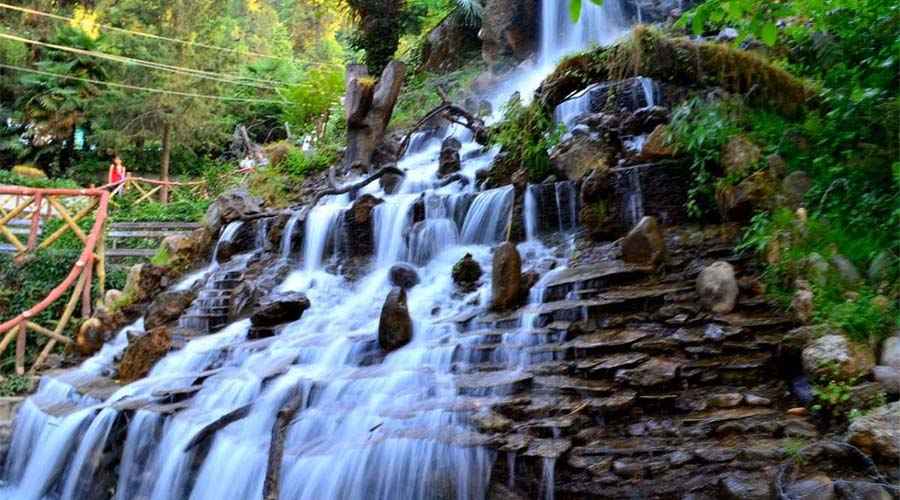
Located about 4 kilometers from Bhandardara on the way from Ghoti, Randha Falls is one of the most dramatic waterfalls in the region. The Pravara River takes a sudden horseshoe-shaped plunge here, dropping nearly 170 feet into a gorge below, creating a thunderous, foaming curtain of water that is especially breathtaking during the monsoon months.
The falls are easily accessible from the main road, with a viewing platform set up for visitors to safely admire the cascade without having to venture too close to the edge. Because of the sheer volume and force of the water during peak monsoon, swimming or venturing near the base of the falls is strictly discouraged, and forest officials often restrict access for safety reasons. Even so, watching the water crash down from a distance, framed by the surrounding greenery, is an unforgettable experience and a must-visit stop on any Bhandardara itinerary.
4. Kalsubai Peak
For adventure seekers, no trip to Bhandardara is complete without a trek to Kalsubai Peak, the highest peak in Maharashtra, standing at an elevation of approximately 5,400 feet above sea level. Often referred to as the “Everest of Maharashtra,” this peak is part of the Kalsubai Harishchandragad Wildlife Sanctuary and offers a moderately challenging trek that takes between three to five hours to complete, depending on your pace and fitness level.
The trail passes through dense forest patches, rocky terrain, and includes a few iron ladders fixed onto steep rock faces to aid climbers. At the summit sits a small temple dedicated to the local goddess Kalsubai, and on a clear day, the panoramic views from the top stretch across several other forts and peaks in the region, including glimpses of the Bhandardara backwaters far below. Weekends can get crowded, so starting early in the morning, ideally before sunrise, is recommended for both a cooler trekking experience and fewer crowds at the summit.
5. Ratangad Fort
History and trekking enthusiasts will find Ratangad Fort particularly rewarding. Located roughly 20 kilometers from Bhandardara, this ancient hill fort dates back several centuries and was historically significant for its strategic location, offering surveillance over the surrounding valleys. The fort is famous for its unique rock formation known as the “Nedhe” or needle hole, a natural hole in the rock through which strong winds whistle, creating an almost musical sound.
The trek to Ratangad is more demanding than Kalsubai and typically takes around four to six hours one way, making it more suitable for experienced trekkers or those looking for an overnight camping experience at the top. From the summit, you get sweeping views of the Bhandardara valley, Kalsubai peak, and on clear days, even distant forts like Harishchandragad. Carrying sufficient water, sturdy trekking shoes, and starting the trek early are essential given the fort’s remote and rugged terrain.
6. Amruteshwar Temple
Nestled in the small village of Ratanwadi, close to the base of Ratangad Fort, the Amruteshwar Temple is an architectural gem that often gets overlooked by visitors rushing between trekking spots. Dedicated to Lord Shiva, this ancient Hemadpanthi-style temple is believed to date back over a thousand years and showcases intricate stone carvings depicting mythological figures, floral patterns, and geometric designs on its exterior walls.
What makes this temple particularly striking is its setting, surrounded by hills, paddy fields, and a small stream flowing nearby, giving it a tranquil, almost meditative atmosphere. The temple’s pyramidal shikhara and the detailed craftsmanship of its pillars reflect the architectural styles that flourished in the region centuries ago. A visit here offers not just spiritual significance but also a fascinating glimpse into the region’s cultural and architectural heritage, making it a worthwhile stop before or after the Ratangad trek.
7. Mount Kalsubai Base Village – Bari
The village of Bari serves as the primary base camp for those trekking up Kalsubai Peak, and it is worth spending some time here even if you are not planning the climb. This quiet hamlet, home to local tribal communities, offers a genuine window into rural Maharashtrian life away from the more touristy stretches of Bhandardara.
Homestays and small guesthouses in Bari provide an opportunity to experience local hospitality, taste authentic regional cuisine, and interact with the villagers who have lived in the shadow of the state’s highest peak for generations. The surrounding fields, especially during and after the monsoon, turn a vibrant green, and the simple rhythm of village life here offers a refreshing contrast to the adventure-packed activities elsewhere in the region.
8. Pravara River and Camping Grounds
The Pravara River, which feeds into the Bhandardara reservoir, winds its way through the region and offers several spots along its banks that have become popular for camping and riverside picnics. Areas near the dam and along the river’s course are dotted with tented camps that offer overnight stays under the stars, bonfires, and sometimes organized activities like nature walks or birdwatching sessions.
Camping here is particularly popular in the winter months when the weather is cool and the skies are exceptionally clear, making it an excellent spot for stargazing away from the light pollution of nearby cities like Pune and Mumbai. Several camping operators in the region provide packages that include meals, tents, and guided activities, making it convenient for first-time campers to enjoy the outdoors comfortably.
9. Agasti Rishi Ashram
For travelers seeking a quieter, more reflective experience, the Agasti Rishi Ashram located near the base of the region offers a peaceful retreat. Associated with the sage Agastya from Hindu mythology, this ashram is set amid natural surroundings and is considered a spiritually significant site by locals and visiting pilgrims alike.
The ashram premises are calm and well-maintained, with simple architecture that blends into the natural landscape rather than overpowering it. Many visitors combine a stop here with their temple visits in the region, using the peaceful setting for a short period of meditation or quiet reflection before continuing their sightseeing. It is a good reminder that Bhandardara’s appeal extends beyond adventure and scenery into moments of stillness as well.
10. Sandhan Valley
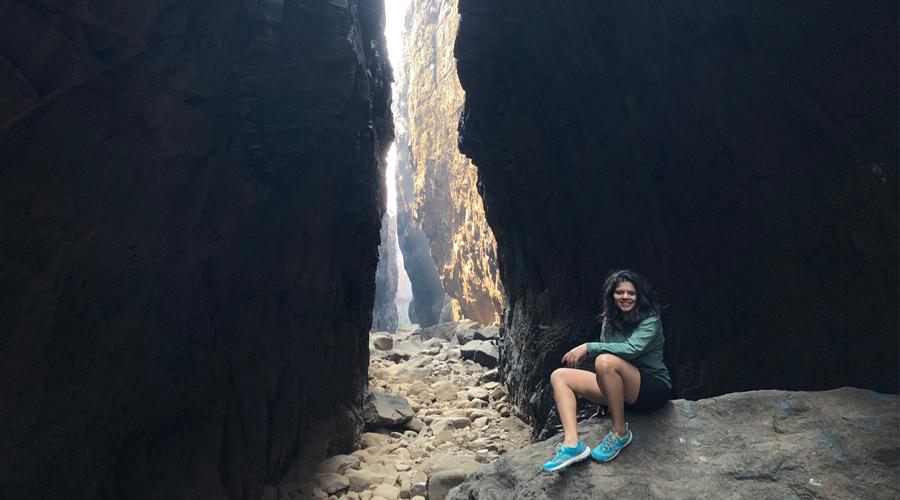
Often referred to as the “Valley of Shadows,” Sandhan Valley is one of the most unique geological formations in the Sahyadri range and lies within reasonable driving distance of Bhandardara. This narrow canyon, carved naturally between two mountains, features towering rock walls that rise up to 200 feet on either side, creating a dramatic, shadowy gorge that is unlike anything else in the region.
Popular among adventure enthusiasts for activities like rappelling, valley crossing, and canyoning, Sandhan Valley requires a moderate level of fitness and is best explored with experienced local guides due to its technical terrain. The valley is particularly stunning after the monsoon season when water levels have receded enough to make trekking through it safer, though certain sections may still require careful navigation. For those seeking a genuinely offbeat adventure beyond the usual sightseeing spots, Sandhan Valley is an experience that stands out on any Bhandardara itinerary.
Planning Your Trip to Bhandardara
Bhandardara is well-connected by road, with the nearest major towns being Igatpuri and Ghoti, both of which have railway stations connecting to Mumbai and Nashik. The drive from Mumbai takes approximately four to five hours, while from Pune it takes around three to four hours, making it an ideal weekend getaway for residents of both cities.
Accommodation options range from budget homestays and MTDC resorts to private camping sites, catering to different types of travelers and budgets. Given the region’s popularity, especially during monsoon weekends and the winter camping season, it is advisable to book accommodations and any trekking guides in advance.
Whether you are drawn to the historic charm of the Wilson Dam, the thrill of trekking to Maharashtra’s highest peak, or simply the quiet beauty of a lake at sunrise, Bhandardara and its surrounding attractions offer a diverse range of experiences packed into a relatively compact geographic area. A well-planned two to three-day trip can easily cover most of these highlights, leaving you with memories of misty mountains, ancient stone, and rushing waterfalls long after you have returned home.