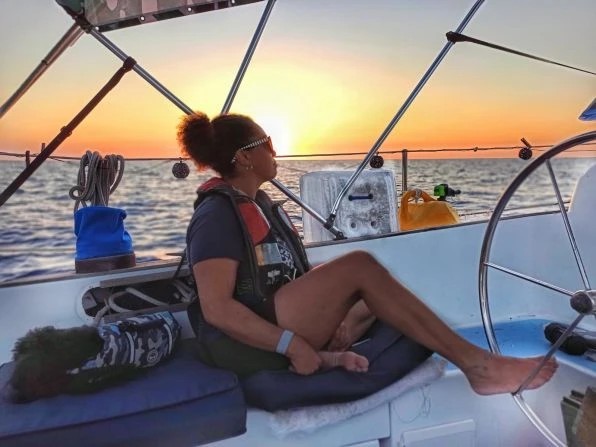
Boating offers a unique connection with nature, but it also comes with environmental responsibilities. Eco-friendly practices not only protect waterways and marine life but can also enhance your enjoyment of the water. By using the right Boat Supplies and adopting sustainable habits, sailors and boaters can minimize their ecological footprint while still enjoying all the pleasures of life on the water.
Understanding Your Environmental Impact
Boaters affect the environment in several ways, including fuel emissions, waste disposal, noise pollution, and physical damage to sensitive habitats. Recognizing these impacts is the first step toward responsible boating. Even routine activities such as anchoring or refueling can affect coral reefs, seagrass beds, and local wildlife if not done carefully.
Choosing Eco-Friendly Boat Supplies
Sustainable boating starts with the supplies you bring onboard. Opt for biodegradable cleaning products, reusable water bottles, and minimal disposable items. Eco-conscious fuel storage and spill prevention equipment reduce the risk of contamination. Having eco-friendly Boat Supplies not only protects the environment but also ensures a cleaner, safer boat for passengers.
Fuel and Engine Management
Engines are one of the largest contributors to water and air pollution from boats. To reduce emissions:
- Maintain engines properly to ensure efficient fuel consumption.
- Avoid over-revving or unnecessary idling in sensitive areas.
- Consider hybrid or electric propulsion systems where feasible, which greatly reduce carbon emissions and noise.
Proper planning of routes can also reduce fuel usage, conserving both energy and the environment.
Waste Reduction and Disposal
Managing waste responsibly is essential:
- Store trash in secure containers to prevent accidental discharge.
- Avoid using single-use plastics whenever possible.
- Dispose of hazardous materials, such as batteries, oil, or paint, at certified collection points onshore.
Carrying eco-friendly Boat Supplies like spill kits, reusable containers, and biodegradable soaps helps maintain cleanliness while minimizing environmental impact.
Anchoring and Navigation
Anchoring in sensitive areas, such as coral reefs or seagrass beds, can cause lasting damage. Use designated anchoring spots or mooring buoys when available. Check local regulations and avoid dragging anchors over fragile habitats. When sailing near wildlife, maintain a safe distance to prevent disturbance to birds, fish, or marine mammals.
Onboard Energy Conservation
Reducing energy use aboard helps protect the environment. Solar panels, LED lighting, and efficient batteries reduce dependence on engines and shore power. Limiting excessive water pump usage and monitoring onboard systems for leaks or malfunctions saves both energy and water resources.
Minimizing Noise Pollution
Noise can disturb wildlife and other boaters. Avoid loud engines or music in sensitive areas, especially near nesting sites or during breeding seasons. Electric propulsion and careful engine management also contribute to quieter, more environmentally friendly boating.
Educating Crew and Passengers
An eco-friendly boating mindset extends beyond equipment. Teach passengers about waste management, wildlife respect, and sustainable practices. Encourage everyone onboard to take responsibility for minimizing their footprint. This not only protects the environment but fosters a more conscious and enjoyable boating experience.
Choosing Eco-Friendly Destinations
Select routes and destinations that prioritize environmental conservation. Many coastal parks, marine reserves, and protected areas offer guidelines for responsible boating. Following these rules ensures that the natural beauty you enjoy today will be preserved for future generations.
Conclusion
Eco-friendly boating is about thoughtful choices, careful planning, and using the right Boat Supplies to minimize your impact. From sustainable cleaning products to fuel-efficient engines and responsible waste management, small actions create significant benefits for waterways, marine life, and local communities. By integrating environmentally conscious practices into every voyage, boaters can enjoy the water responsibly, protecting the ecosystems they cherish while creating a more rewarding and sustainable boating experience.