I’ll be honest. When I told my friends I was heading to Palladam Tamil Nadu, nobody had heard of it. Not one person. That alone made me want to go.
Palladam sits quietly in the Tiruppur district, about 38 km east of Coimbatore and 14 km from Tiruppur. No big tourist circuit runs through it. No influencer has put it on a map. What you get instead is a real working town, loud with looms, fragrant with filter coffee, and genuinely welcoming to anyone patient enough to slow down.
I spent 3 days here. Here’s what I found.
Where is Palladam located?
Palladam sits at roughly 10°59′N 77°18′E, at an average elevation of 325 metres. It’s 14 km from Tiruppur, 38 km east of Coimbatore, and serves as the gateway to Coimbatore from the eastern and south-eastern parts of Tamil Nadu.
That position matters practically. You’re within easy reach of 3 major cities. Coimbatore to the west, Tiruppur to the north-east, Erode further north. All connected by road.
How to reach Palladam:
Palladam is situated on National Highway NH 67. Buses run frequently from both Coimbatore and Tiruppur. The journey from Coimbatore takes about 50 minutes by road. From Tiruppur, it’s under 20 minutes.
By train, the nearest major railway junction is Tiruppur. Palladam Railway Station is connected to Coimbatore and other major cities in Tamil Nadu. Though the station is small and not all express trains stop here, local trains do.
The nearest airport is Coimbatore International Airport (CJB), 38 km out. I took a cab directly from the airport to Palladam. Costed me around ₹600.
I followed the NH 67 from Coimbatore. Smooth, well-marked road. No drama.
My first impression of Palladam
Busy. That’s the first word that came to me.
The main road through town is thick with two-wheelers, textile delivery trucks, and auto-rickshaws going nowhere fast. It’s not chaotic exactly, more like a town running at full capacity and nobody told it to slow down.
The air smells faintly of cotton. No exaggeration. You catch it especially near the industrial areas, this dry, fibrous smell that clings to your clothes by evening.
What surprised me most was the mix of people. Palladam has a significant number of North Indians who have come seeking work in the textile industries. So you’ll hear Hindi spoken casually outside shops. Dhabas sit next to idli stalls. It gives the town a layered energy that you don’t expect from something this size.
Residents were friendly without being performative about it. Asked for directions twice. Both times, the person walked me to the spot rather than just pointing.
Best places to visit in Palladam
No, there’s no hill station. No beach. Palladam is a town, and it offers a town’s pleasures.
Local temples and religious sites
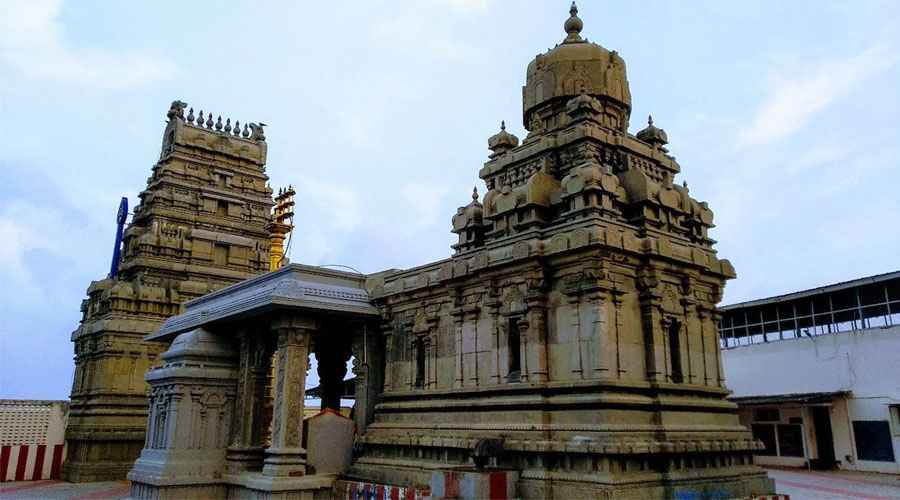
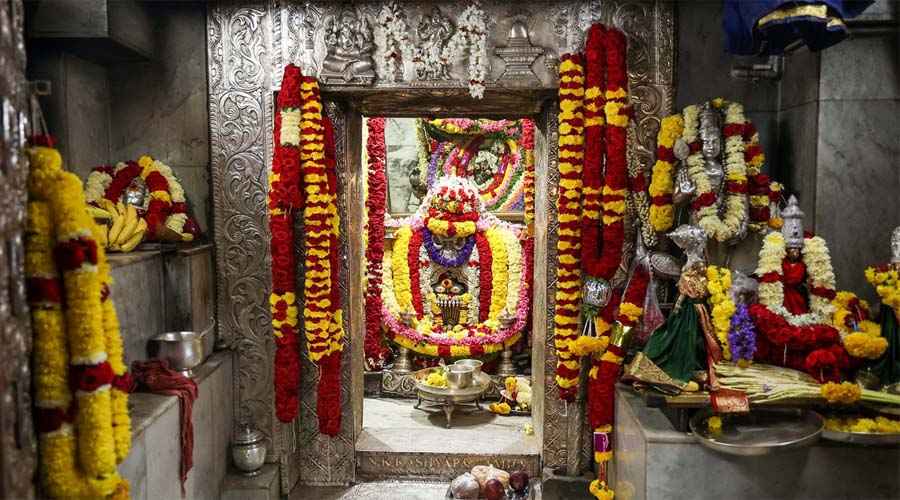
The Ardhanareeswarar Temple is a prominent landmark in Palladam. It’s dedicated to the composite form of Shiva and Parvati, and architecturally it’s striking. The gopuram isn’t the tallest you’ll see in Tamil Nadu, but the interior carvings are detailed and the atmosphere during the morning puja is worth sitting through.
The Sri Mariamman Temple is a popular Hindu temple known for its vibrant festivals and religious ceremonies. If you’re visiting during a festival period, especially the Pongal season, this is where most of the town shows up.
The Uttukuli Murugan Temple, a short distance from Palladam, is one of the most revered religious sites in the region. Dedicated to Lord Murugan, it’s known for its architectural beauty and genuinely serene surroundings.
Go early. By 9am these temples are packed. By 7am you’ll practically have them to yourself.
Nearby attractions
Thirumoorthy Dam is a nearby attraction worth visiting. It offers scenic views and is part of the Thirumoorthy Hills, which include a temple and waterfalls. It’s about 40 km from Palladam, doable as a half-day trip.
The Amaravathi River runs through the broader region. A short drive west takes you to quieter stretches of it, good for a morning walk.
Pollachi is 45 km south and is famous for its coconut groves and film shooting spots. I spent an afternoon there and came back before dark.
Parks and family-friendly spots
The Moolikulam Reservoir Tank is a tranquil spot offering scenic views and a serene environment, ideal for nature walks or birdwatching.
The town itself has a central park area that fills up with families in the evening. Nothing spectacular, but if you have kids and need an hour of open air, it works.
Local food I tried in Palladam
This is where Palladam earns real points.
Traditional Tamil dishes
The idli-sambar here is serious business. Not the watery sambar you get at highway dhabas. This is thick, tamarind-forward, loaded with small onions and tomato. I had it every morning. Pair it with coconut chutney and you’re done for the rest of the day.
Dosai comes in several forms. Plain, rava, onion. The onion dosai at a small place near the bus stand was crispy on the edges and soft in the centre. I went back for it the next morning.
Kongu Nadu cuisine shows up here. Kari kuzhambu (meat curry) with parotta is popular for lunch. The parotta is flakier than what you get in Chennai, layered properly, not the thick rubber version.
Popular local restaurants
There are a handful of decent hotel-style restaurants on the main road. “Hotel” in Tamil Nadu means a restaurant, in case you’re wondering. Look for the ones with Tamil signboards and packed lunch crowds, usually a good sign.
On the Tirupur-Palladam road, there are well-regarded restaurants known for traditional food items with good quality. A couple of these are clean, serve full meals (saapadu) on banana leaves for ₹80-120, and close by 3pm.
Street food experiences
The evening street food near the textile market area is worth walking through. Corn on the cob, sundal, bajji. A masala chai stall that seemed to exist purely to fuel textile workers running between factories.
Approximate costs: breakfast under ₹60, lunch ₹100-150, dinner ₹120-200. Palladam is not expensive.
Textile industry and business culture in Palladam
This is the real reason Palladam exists.
Palladam is a noteworthy town with a vast source of income from the business network, which includes textile enterprises, poultry farms, and agriculture. The Palladam Hi-tech Weaving Park is a turning point for the town.
Historically, Palladam has been an important centre for textile production, particularly for cotton. The town is also known for its large weekly cattle market, which attracts traders and farmers from across the region.
Walk anywhere near the industrial zones and you hear it before you see it. The rhythmic thwack of power looms. Entire streets of small units producing knitwear, cotton garments, hosiery. Tiruppur, just 14 km away, is known as the “Knitwear Capital of India.” Palladam feeds into that economy as a production satellite.
What visitors can actually learn here: how cotton becomes garment at the small-unit level. Some factory owners will let you walk through if you ask politely and show genuine interest. Don’t expect a guided tour. Just a conversation and a glimpse inside a working unit.
The weekly cattle market is genuinely fascinating if you catch it. Farmers, traders, animals, and a bartering culture that hasn’t changed much in decades.
Best time to visit Palladam
| Season | Weather | Travel experience |
| Summer (March-May) | Hot, 35-40°C | Less comfortable, fewer crowds |
| Monsoon (June-September) | Moderate, frequent rains | Pleasant temperature, roads can get slippery |
| Winter (October-February) | Cool, 18-25°C | Best time, comfortable for walking and exploring |
I visited in January. Mornings were 19°C, which is ideal for temple visits and wandering the market. By afternoon it reached 28°C, still very manageable.
Accommodation options in Palladam
Palladam isn’t set up for leisure tourists. Most accommodation caters to business visitors and textile traders.
Budget stays: Several lodges in the town centre charge ₹500-800 per night. Basic rooms, attached bathrooms, ceiling fans, sometimes AC. Clean enough. Don’t expect hospitality beyond a key and checkout time.
Mid-range: A few hotels on the main road offer AC rooms with room service for ₹1,200-1,800. K.S. Nagar on Pethampalayam Road in Palladam has hotel accommodation at reasonable rates.
Business traveller note: If you need consistent WiFi and a proper work desk, Coimbatore or Tiruppur offer significantly better options. Many visitors base themselves in Tiruppur and do Palladam as a day trip.
I stayed at a modest lodge in the town centre for ₹700 per night. Functional. The owner gave me a local SIM card top-up place recommendation without being asked. Small things.
Local shopping experience
This is where you put money to good use.
Visitors can explore local textile factories and purchase high-quality knitwear and garments at affordable prices.
The town’s garment shops sell cotton T-shirts, innerwear, hosiery, and fabric by the metre at factory-close prices. T-shirts that would go for ₹400-600 in a city mall here cost ₹120-180. The quality is often identical because it’s the same product, just sold locally.
Cotton fabric is particularly good value. If you sew or know someone who does, buy fabric here.
The weekly market also sells agricultural produce, spices, and Kongu Nadu handicrafts. Spend time there if the timing lines up.
I bought 6 cotton T-shirts and a set of bed sheets. Total: ₹1,400.
Travel budget for Palladam
Budget traveller (per day):
- Transport (local autos, buses): ₹100-150
- Food (3 meals): ₹300-400
- Accommodation (budget lodge): ₹600-800
- Sightseeing: ₹200-300
- Total: ₹1,200-1,650/day
Mid-range traveller (per day):
- Transport (cab/auto): ₹300-400
- Food (sit-down restaurants): ₹600-800
- Accommodation (AC room): ₹1,500-1,800
- Shopping + sightseeing: ₹500-800
- Total: ₹2,900-3,800/day
Family traveller (per day, family of 4):
- Transport: ₹500-700
- Food: ₹1,200-1,800
- Accommodation (2 rooms or family room): ₹2,500-3,500
- Activities + shopping: ₹1,500-2,000
- Total: ₹5,700-8,000/day
Palladam is genuinely affordable. Even mid-range here costs what budget means in Chennai or Bangalore.
Useful travel tips from my experience
Language: Tamil is the primary language. Kongu Tamil, also called Kangee or Kongalam, is a distinct dialect prominently spoken here. It’s different enough from standard Tamil to occasionally confuse visitors. A few basic Tamil phrases go a long way. Hindi works in the textile and market areas given the significant North Indian population.
Payment: Cash is king. UPI works at most shops. Cards are accepted at hotels but not at street food stalls or local lodges. Carry cash.
Transport: Auto-rickshaws are the main way to get around town. Negotiate before you get in. ₹30-60 for most short rides. Ola and Uber operate in the broader area but within Palladam you’ll mostly use local autos.
Safety: Palladam is a working town, not a troubled one. Standard precautions apply. Keep your phone in your pocket in crowded market areas. Solo women travellers have nothing specific to worry about here beyond what applies anywhere in Tamil Nadu.
Local customs: Remove footwear before entering temples. Dress modestly around religious sites. Don’t photograph inside factories without asking. The textile owners are generally hospitable but protective of their machines and processes.
Places to visit near Palladam
Tiruppur (14 km): Known as the “Knitwear Capital of India,” famous for its textile industry. Larger shopping options, better restaurants, major transport hub.
Coimbatore (38 km): Known as the “Manchester of South India,” renowned for its educational institutions and textile mills. Full city infrastructure, Coimbatore International Airport, much wider accommodation range.
Pollachi (45 km): Famous for its coconut groves and agricultural activities, often called the “Coconut Capital of Tamil Nadu.” Also a film shooting hub. Pleasant half-day trip.
Erode (70 km): Major town known for turmeric trade, textiles, and the historic Bhavani Sagar Dam.
Dharapuram (50 km): Known for its handloom industry and traditional weaving techniques. A quieter, more traditional counterpart to Palladam.
Frequently asked questions about Palladam Tamil Nadu
Is Palladam worth visiting?
Yes, but with the right expectations. Palladam Tamil Nadu rewards visitors who want to see real Tamil Nadu rather than tourist Tamil Nadu. Temples, markets, textiles, food. If you want a beach or a hill resort, go somewhere else.
What is Palladam famous for?
Palladam is famous for its textile production (particularly cotton), its large weekly cattle market, and the Ardhanareeswarar Temple. The Hi-tech Weaving Park has added to its identity as a textile manufacturing town.
How many days are enough for Palladam?
1 to 2 days is enough for the town itself. Add another day if you want to cover Thirumoorthy Hills, Pollachi, or the Amaravathi River stretch. 3 days total is comfortable.
Is Palladam safe for tourists?
Yes. It’s an ordinary working town. The usual travel common sense applies and nothing more.
Which is the nearest airport to Palladam?
Coimbatore International Airport (CJB), 38 km away. Taxis available directly from the airport to Palladam.
Read More : Shangumugh Temple
Final verdict: is Palladam worth a visit?
Palladam Tamil Nadu gave me exactly what I hoped for, a town that hasn’t been smoothed over for visitors.
The temples are genuine places of worship, not tourist set pieces. The food is honest Kongu Nadu cooking at street-stall prices. The textile culture is working-class and real. You can buy excellent cotton garments at a fraction of city prices. And the people are decent without being performative about it.
Who should visit: Travellers interested in authentic Tamil Nadu life, textile and craft enthusiasts, people on a business trip to Tiruppur who have a spare day, and anyone who finds “off the beaten path” means something more than just a quieter resort.
Who might skip it: Families needing theme parks or specific tourist attractions, anyone expecting hotel chains and polished facilities, or travellers who need nature and scenery to feel satisfied.
My ratings:
- Food: 4/5
- Culture and temples: 3.5/5
- Accessibility: 4/5
- Accommodation: 2.5/5
- Shopping (textile): 4.5/5
- Overall: 3.5/5
Palladam Tamil Nadu isn’t trying to impress you. That, honestly, is what makes it worth a visit.