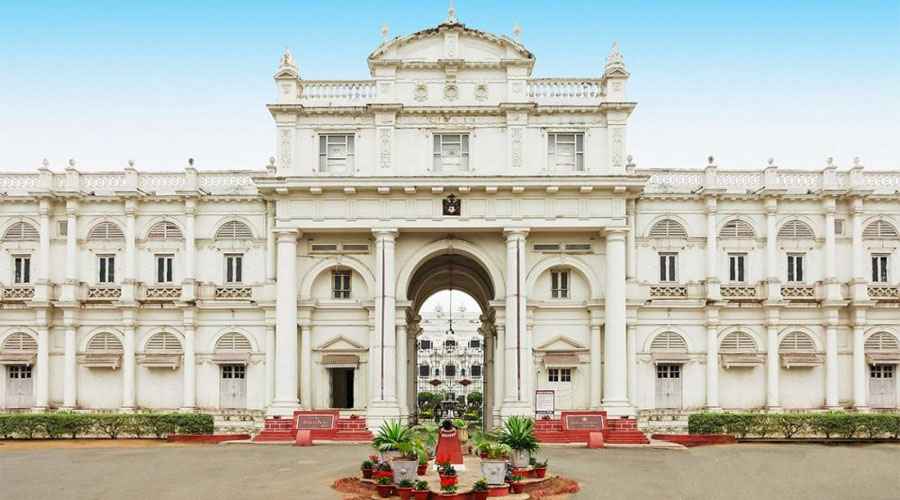
Nestled in the heart of Gwalior, Madhya Pradesh, the Jai Vilas Palace is one of India’s most extraordinary royal residences. Built in the 19th century by Maharaja Jayajirao Scindia, this grand palace blends European architectural grandeur with Indian royal opulence in a way that few heritage sites in the country can match. Whether you are a history enthusiast, an architecture lover, or simply a curious traveller, Jai Vilas Palace promises an experience that is nothing short of majestic.
A Glimpse Into History
The Jai Vilas Palace was constructed in 1874 under the patronage of Maharaja Jayajirao Scindia, the then ruler of Gwalior. Designed by Sir Michael Filose, the palace draws heavily from three European styles — Tuscan, Italian Doric, and Corinthian — giving it a distinctly continental character that stands in pleasing contrast to the Indian landscape around it.
View this post on Instagram
The palace was built to impress, and impress it does. The story goes that when the Prince of Wales (later King Edward VII) was scheduled to visit Gwalior, Maharaja Jayajirao wanted to test whether the ceilings of the grand Durbar Hall were strong enough to hold the enormous chandeliers he had ordered. To do this, he supposedly had ten elephants hoisted onto the roof to test its load-bearing capacity. This anecdote, whether entirely factual or embellished over time, perfectly captures the sheer scale and ambition behind the palace’s construction.
Jai Vilas Palace Museum
A significant portion of the palace has been converted into the Jiwaji Rao Scindia Museum, named after the Maharaja. The museum houses an astounding collection of royal artefacts, antiques, and memorabilia that offer an intimate look into the lives of the Scindia dynasty.
Among the most remarkable exhibits is the world-famous silver toy train that runs along a dining table, designed to carry whisky and cigars to guests after meals. The Durbar Hall, the centrepiece of the museum, features two of the world’s largest chandeliers, each weighing approximately 3.5 tonnes. The hall also showcases exquisite Belgian crystal furniture, hand-woven carpets, and painted ceilings that reflect the lavish tastes of the royal family.
Other highlights include a collection of vintage carriages, ivory artefacts, rare manuscripts, arms and armour from the Mughal and Maratha eras, and personal belongings of the Scindia royals. The museum is spread across 35 rooms, each offering a unique window into a world of aristocratic refinement and historical significance.
It is worth noting that a part of the palace remains a private residence of the Scindia family, adding a layer of living history to the site.
Jai Vilas Palace Entry Ticket Price
Understanding the ticket pricing before your visit helps you plan your budget accordingly. The entry fees are structured based on visitor categories:
- Indian Adults: ₹100 per person
- Indian Children (below 10 years): ₹50 per person
- Foreign Nationals: ₹750 per person
- Photography (Still Camera): ₹100 additional charge
- Videography: ₹200 additional charge
- Students (with valid ID): Concessional rates may apply on group visits
Please note that ticket prices are subject to change, and it is advisable to verify the current rates at the ticket counter or the official website before your visit. The ticket counter is conveniently located at the main entrance of the palace.
Jai Vilas Palace Timings
The palace museum follows fixed visiting hours throughout the week. Here are the general timings to plan your visit:
- Opening Days: Tuesday to Sunday
- Closed On: Monday (weekly off)
- Morning Session: 10:00 AM to 1:00 PM
- Afternoon Session: 1:30 PM to 5:00 PM
- Last Entry: 4:30 PM
Visitors are advised to arrive at least an hour before closing time to ensure they have enough time to explore the expansive museum without feeling rushed. The palace can take anywhere from one and a half to three hours to explore comfortably, depending on your level of interest.
Best Time to Visit Jai Vilas Palace
Gwalior experiences extreme weather during the summer months, with temperatures often soaring above 40°C between April and June. The most pleasant time to visit is during the winter season, from October to March, when the weather remains cool and comfortable, making outdoor exploration and photography particularly enjoyable.
The monsoon season (July to September) brings relief from the heat, and the palace grounds turn lush and green, although heavy rainfall can occasionally disrupt travel. If you are visiting during a holiday or long weekend, arriving early in the morning is highly recommended to avoid the crowds that gather later in the day.
How to Reach Jai Vilas Palace
Jai Vilas Palace is centrally located in Gwalior and is easily accessible by various modes of transport:
By Air: Gwalior Airport (also known as Rajmata Vijaya Raje Scindia Air Terminal) is approximately 10 kilometres from the palace and has regular flights connecting to Delhi, Mumbai, and other major cities.
By Train: Gwalior Railway Station is a major junction on the Delhi–Mumbai and Delhi–Chennai rail routes. It is well connected to cities across India and is just about 3 kilometres from the palace, making it the most convenient option for travellers.
By Road: Gwalior is connected by national highways to Agra (roughly 120 km), Delhi (approximately 320 km), and Bhopal (around 420 km). State-run buses, private coaches, and taxis operate regularly on these routes.
Local Transport: Autos, cycle rickshaws, and app-based cab services are easily available within the city for the last stretch of the journey to the palace.
Tips for a Memorable Visit
A few practical tips can go a long way in making your visit smooth and enjoyable:
Carry a valid photo ID, as it is sometimes required at the ticket counter, particularly for students seeking concessions. Wear comfortable footwear since the museum involves quite a bit of walking across polished marble floors and multiple rooms. Photography inside certain sections of the museum may be restricted, so always watch for signage and follow the guidelines provided by the staff. It is a good idea to hire a local guide or pick up an audio guide if available, as the stories and context behind the exhibits greatly enrich the experience. Carrying a small bottle of water is recommended, particularly during the warmer months.
Nearby Attractions
A visit to Jai Vilas Palace pairs beautifully with other historical landmarks in Gwalior. The majestic Gwalior Fort, perched atop a rocky hill, offers breathtaking views of the city and houses several ancient temples, including the Teli Ka Mandir and Sas Bahu Temple. The Sun Temple, inspired by the famous Konark Sun Temple in Odisha, is also worth a visit. The Tomb of Tansen, the legendary court musician of Emperor Akbar, lies nearby and holds deep cultural significance.
Final Thoughts
Jai Vilas Palace is not merely a tourist destination — it is a living testament to India’s princely heritage and the extraordinary vision of the Scindia rulers. From the dazzling chandeliers of the Durbar Hall to the intricate details of its European-inspired architecture, every corner of this palace tells a story worth discovering. Whether you are visiting Gwalior for a day or planning a longer stay, the Jai Vilas Palace deserves a prominent place on your itinerary. With reasonable ticket prices and convenient visiting hours, there has never been a better time to explore this crown jewel of Gwalior’s heritage.