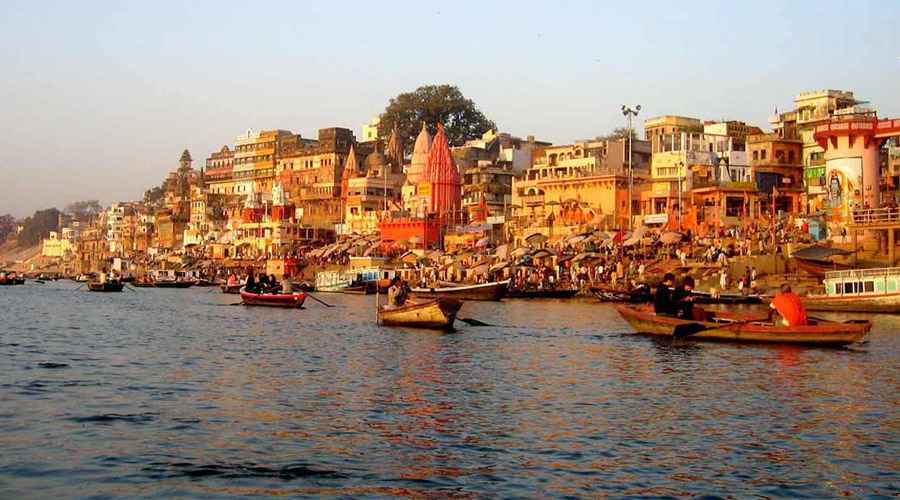
Dashashwamedh Ghat is arguably the most renowned and sacred ghat in Varanasi, India, known for its deep religious significance, rich historical background, and vibrant cultural atmosphere. Located on the banks of the holy river Ganges, near the iconic Kashi Vishwanath Temple, this ghat draws countless pilgrims, tourists, and spiritual seekers year-round. It stands as a vivid symbol of Varanasi’s spiritual heritage and remains central to the city’s religious rituals, especially the famous evening Ganga Aarti that lights up the riverfront every day.
Historical and Mythological Significance
The name Dashashwamedh literally means “the ghat of ten horse sacrifices”. According to Hindu mythology, this name derives from a grand yajna, where Lord Brahma performed ten Ashwamedha Yajnas to welcome Lord Shiva to Kashi. One legend says that Brahma created the ghat to greet Shiva after he defeated the demon Tripurasura, inviting Shiva to reside and meditate here. Another story recounts Brahma sacrificing ten horses in a ritual here to sanctify the space and establish Varanasi as a sacred spiritual center.
Historically, it is also said that kings from the Bharasiva lineage, post their victory over the Kushan empire in the 2nd century, conducted the ten horse sacrifice yajnas here as a mark of reverence to Lord Shiva. The ghat was originally known as Rudrasaras, and over time, its name evolved to Dashashwamedh in respect to these rituals and mythological associations.
The present structure of the ghat was first built in the 18th century by Peshwa Balaji Bajirao around 1740 and later reconstructed and beautified by Maharani Ahilyabai Holkar, the famed queen of Indore, in 1774. The current steps and architecture were further improved and maintained by the government in the mid-20th century.
Religious Importance and Rituals
Dashashwamedh Ghat holds immense religious value for Hindus. Pilgrims believe that bathing in the waters of the Ganges at this ghat cleanses one’s sins and can lead to moksha (liberation or salvation). The ghat is also a favored spot for performing sacred rituals such as pind daan (offering to ancestors) and various family ceremonies.
The ghat’s spiritual heart is its spectacular daily Ganga Aarti, conducted every evening at sunset. This ritual involves a troupe of priests performing synchronized offerings of fire, incense, and chanting to the river goddess Ganga. The sight of hundred of oil lamps, flames, and rhythmic hymns reflected on the flowing river creates an enchanting and sacred ambiance that captivates locals and travelers alike. The aarti ceremony embodies the essence of Varanasi’s spiritual culture and draws crowds from all over the world who come to witness this mesmerizing spectacle.
Cultural and Touristic Appeal
Apart from being a pivotal religious site, Dashashwamedh Ghat is also a cultural hub. It bustles with activity throughout the day—pilgrims performing rituals, street vendors selling devotional items, boatmen offering rides on the Ganges, and musicians and artists adding to its lively atmosphere. The ghat’s proximity to other important landmarks, especially the Kashi Vishwanath Temple and Vishwanath Gali, makes it a prime destination for visitors exploring the spiritual corridors of Varanasi.
Tourists are enthralled by the ghat’s scenic sunrise and sunset views, the rhythmic rowing of boats on the river, and the chance to experience India’s ancient traditions in living color. Many choose to take boat rides at dawn or dusk to witness the ghats lined with pilgrims and the banks illuminated by lamps and ghatside rituals.
Accessibility and Visiting Tips
Dashashwamedh Ghat is located in the heart of Varanasi and is easily accessible by road, rickshaw, or on foot from the main parts of the city. There are various accommodation options nearby, from budget guesthouses to luxury hotels, making stays convenient for pilgrims and tourists alike. The best time to visit the ghat is during the cooler months from October to March when weather conditions are pleasant for sightseeing and participating in rituals.
Conclusion
Dashashwamedh Ghat exemplifies the spiritual and cultural soul of Varanasi. With its ancient mythological roots, historical lineage, and vibrant rituals like the Ganga Aarti, it stands as a beacon of Hindu faith and Indian tradition. Whether one visits to soak in the sacredness of the Ganges, witness the mesmerizing aarti, or explore the rich cultural tapestry of the city, Dashashwamedh Ghat promises an unforgettable and deeply enriching experience that captures the timeless spirit of Varanasi.
This sacred ghat continues to unite devotees, tourists, and locals alike in a shared celebration of faith, history, and the mystical rhythm of life along the holy river Ganges. This article is a detailed and unique exposition of Dashashwamedh Ghat, its history, cultural and religious significance, and why it remains the most famous and holy ghat in Varanasi. The content synthesizes the latest verified information.