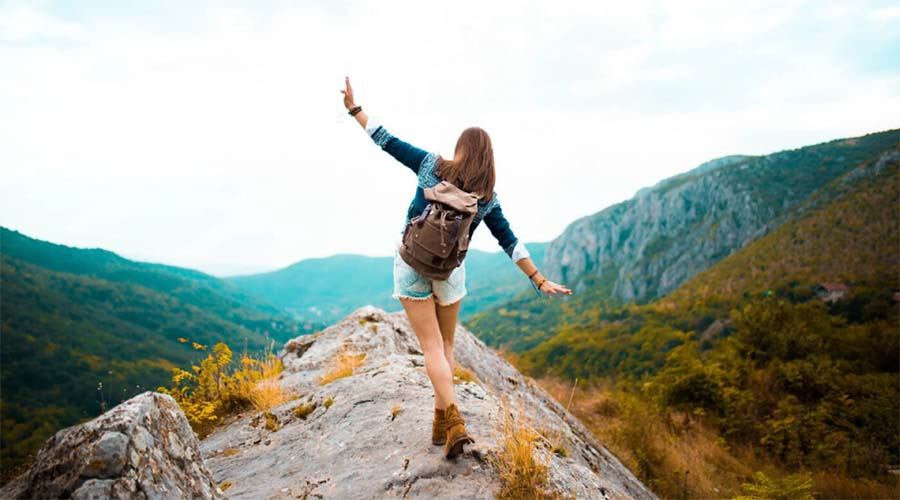
Travel has always been a powerful way to grow, learn, and reconnect with yourself. In recent years, solo travel has become increasingly popular, especially among women. From backpacking across Southeast Asia to exploring historic cities in Europe, women around the world are choosing to step out on their own. But an important question remains: Is it a good idea to travel alone as a woman?
The answer is not a simple yes or no. It depends on mindset, preparation, destination, and personal comfort level. However, for many women, solo travel can be one of the most empowering and life-changing experiences of their lives.
The Rise of Solo Female Travel
Social media, travel blogs, and online communities have made solo travel more accessible and less intimidating. Women now have access to endless information about destinations, safety tips, accommodations, and cultural expectations. This has reduced uncertainty and boosted confidence.
Cities like Bangkok, Barcelona, and Bali are often featured as solo-friendly destinations due to their vibrant tourism infrastructure and welcoming atmosphere. With better connectivity and global awareness, traveling alone is no longer seen as unusual — it’s often celebrated.
The Benefits of Traveling Alone as a Woman
1. Personal Growth and Independence
Traveling solo pushes you out of your comfort zone. You make your own decisions, manage your budget, plan your itinerary, and solve problems independently. This builds resilience and self-confidence.
When you successfully navigate a foreign subway system or negotiate a local market price, you realize your capability. That confidence doesn’t stay abroad — it follows you home and impacts your career, relationships, and life choices.
2. Complete Freedom and Flexibility
When you travel alone, you don’t have to compromise. Want to wake up at 5 a.m. to watch the sunrise? You can. Feel like spending an entire afternoon in a museum? No one will rush you.
For example, if you’re exploring Paris and want to sit for hours at a café watching the world go by, that’s entirely your choice. Solo travel allows you to follow your instincts and create an experience that truly reflects your interests.
3. Deeper Cultural Immersion
Ironically, being alone can make you more socially connected. Without a travel companion, you are more likely to interact with locals and fellow travellers. You may join group tours, attend local events, or strike up conversations at hostels and cafés.
Visiting cultural landmarks like Kyoto’s temples or exploring markets in Marrakech can lead to meaningful conversations and authentic experiences. Solo travellers often report that they connect more deeply with local culture than those traveling in groups.
4. Emotional Healing and Self-Discovery
Many women choose to travel alone during transitional periods — after a breakup, career change, or major life event. Being in a new environment allows space for reflection and clarity.
Travel gives you the chance to disconnect from daily pressures and reconnect with your inner self. It can be therapeutic, refreshing, and transformative.
The Challenges of Solo Female Travel
While solo travel has many advantages, it’s important to acknowledge the challenges.
1. Safety Concerns
Safety is often the biggest worry. Women may face risks such as harassment, pickpocketing, or unsafe transportation. However, these risks exist in everyday life as well.
The key difference is awareness and preparation. Researching destinations, understanding local customs, and choosing safe accommodations can significantly reduce risks. Many cities like Tokyo and Singapore are known for being extremely safe for solo travelers.
Practical safety tips include:
- Sharing your itinerary with family or friends
- Avoiding poorly lit areas at night
- Dressing according to local cultural norms
- Trusting your instincts
- Using reputable transportation services
Safety should not be ignored, but it should also not completely prevent exploration.
2. Loneliness
Traveling alone can sometimes feel isolating. There may be moments when you wish you had someone to share a sunset or celebrate a milestone with.
However, loneliness often leads to growth. It teaches emotional independence. Additionally, joining walking tours, staying in social accommodations, or using travel apps can help you meet people along the way.
3. Decision Fatigue
When you’re alone, every decision falls on you — where to eat, what to see, how to get there. This can feel overwhelming.
To manage this, planning key activities in advance while leaving room for spontaneity is helpful. A balanced itinerary reduces stress without removing freedom.
Choosing the Right Destination
Not all destinations offer the same experience for solo female travelers. Cultural norms, infrastructure, and safety levels vary widely.
Countries with strong tourism systems and clear transportation networks are generally easier for beginners. European cities like Lisbon or Amsterdam are often recommended for first-time solo travelers because they combine safety, accessibility, and rich culture.
For those seeking adventure, places like Queenstown provide thrilling activities in relatively safe environments.
Research is essential. Understanding local customs — especially regarding dress, public behavior, and social norms — shows respect and helps avoid misunderstandings.
Practical Preparation Tips
If you’re considering solo travel, preparation can make all the difference.
Plan Smart
- Book accommodations in central, well-reviewed areas.
- Arrive during daylight hours when possible.
- Keep copies of important documents.
Pack Thoughtfully
- Choose versatile clothing.
- Carry a portable charger.
- Use anti-theft bags if visiting crowded areas.
Stay Connected
- Purchase a local SIM card or international roaming plan.
- Use location-sharing features with trusted contacts.
- Save emergency numbers in your phone.
Learn Basic Phrases
Even learning a few local words can build goodwill and confidence.
Mindset Matters
Perhaps the most important factor in deciding whether solo travel is a good idea is your mindset.
Traveling alone requires:
- Openness to new experiences
- Comfort with uncertainty
- Confidence in decision-making
- Willingness to adapt
Fear is natural, but fear should not automatically dictate your choices. Calculated risks often lead to the most rewarding experiences.
Breaking Stereotypes
Historically, women were often discouraged from traveling alone due to societal expectations. Today, that narrative is changing. More women are becoming digital nomads, entrepreneurs, bloggers, and adventurers.
Solo travel challenges outdated stereotypes about dependency and vulnerability. It demonstrates capability, strength, and independence.
Is It Worth It?
For many women, the answer is yes.
Traveling alone as a woman can be:
- Empowering
- Transformative
- Educational
- Liberating
It teaches life skills that go far beyond tourism. It builds courage. It proves self-reliance. It encourages global understanding.
However, it’s not a competition. Traveling alone does not make someone braver or better than those who prefer companionship. The “right” choice depends entirely on personal preference and comfort.
Final Thoughts
So, is it a good idea to travel alone as a woman?
If you prepare wisely, choose destinations carefully, stay aware, and trust your instincts — absolutely. Solo travel can be one of the most enriching experiences of your life.
It may feel intimidating at first. There may be moments of uncertainty. But there will also be moments of breathtaking beauty, unexpected friendships, and powerful self-discovery.
The world is vast and full of opportunity. With planning, awareness, and courage, women can explore it confidently — one journey at a time.