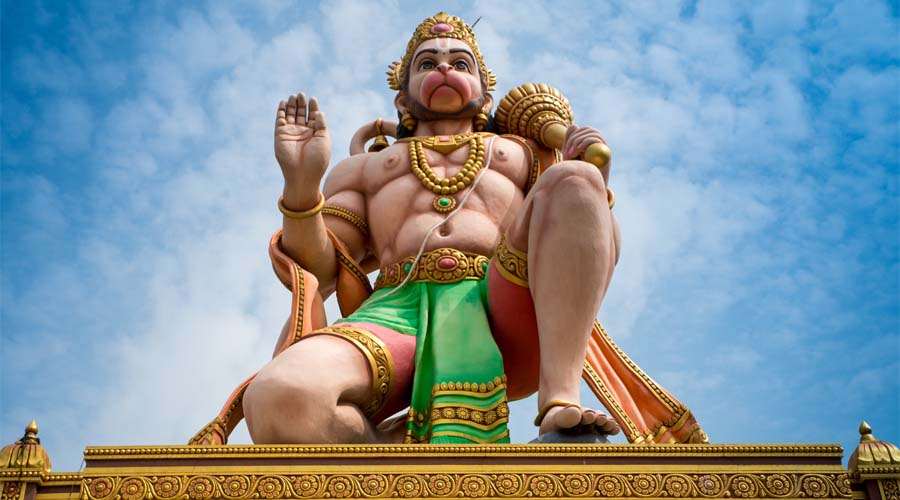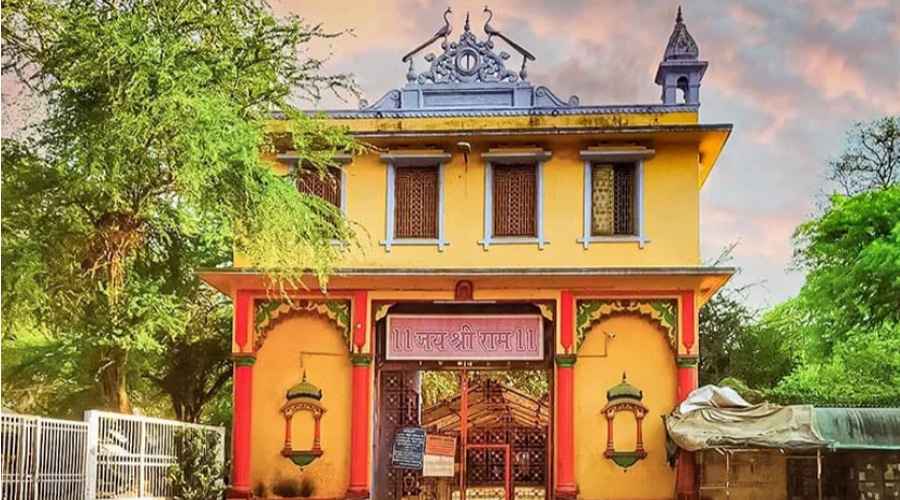
Nestled in the sacred city of Varanasi (Uttar Pradesh, India), the Sankat Mochan Hanuman Temple is one of the most revered and spiritually vibrant shrines dedicated to Lord Hanuman — the symbol of unwavering devotion, boundless strength, and the remover of all troubles. The temple’s very name, Sankat Mochan, literally means “deliverer from difficulties”, and it stands as a testament to the age-old belief that sincere faith and devotion can conquer even life’s greatest challenges.
Historical Legacy
The origins of Sankat Mochan Hanuman Temple date back to the early 16th century, and its roots are deeply entwined with the life and spiritual journey of the saint-poet Goswami Tulsidas — the revered author of the Ramcharitmanas and the Hanuman Chalisa. It is believed that Tulsidas experienced a divine vision (darshan) of Lord Hanuman at this very spot on the banks of the Assi River in Varanasi, an event that inspired him to establish the temple.
According to tradition, the original muse for the temple emerged when Tulsidas reportedly saw Hanuman’s divine presence beneath a sacred fig tree. This vision led him to erect an idol of Lord Hanuman, marking the beginnings of what would become one of India’s most beloved spiritual sanctuaries.
Though centuries have passed since its inception, the temple’s core purpose remains unchanged — providing solace and upliftment to devotees burdened by life’s hardships. Over time, it has transformed from a humble seat of devotion to a vibrant center of religious activity and community life in Varanasi.
The Deity and Meaning
Lord Hanuman — known as Bajrangbali or Anjaneya — is one of Hinduism’s most compelling divine figures. Revered for his devotion to Lord Rama, his immense strength, and his indomitable courage, Hanuman is worshipped as the ultimate example of loyalty, discipline, and spiritual power.
In the context of this temple, Hanuman’s role as Sankat Mochan — the one who removes obstacles — draws countless devotees who come seeking relief from troubles, healing from suffering, and courage in times of adversity. The belief is that sincere prayer here can help dispel fear, anxiety, and negative influences, providing a renewed sense of purpose and strength.
Architecture and Sacred Space
Though not as ancient as some of the great temples of India in terms of grandiosity, the architecture of Sankat Mochan Hanuman Temple reflects a harmonious blend of traditional Hindu temple design and the evolving aesthetics of different time periods.
The temple’s shrine houses the idol of Lord Hanuman, typically adorned with sindoor (vermilion), flower garlands, and offerings from devotees. Adjacent to Hanuman’s sanctum are images and idols of Lord Rama, Sita, Lakshman, and the Vanara (monkey) army, symbolizing Hanuman’s eternal devotion to Lord Rama and the divine unity celebrated in the Ramayana.
The courtyard and annexes allow space for large gatherings, especially on festive occasions and auspicious days when queues and crowds become part of the shared devotional experience. The constant hum of Hanuman Chalisa, Sunderkand, and bells echo throughout the complex, creating an atmosphere of deep spirituality.
Rituals, Worship and Daily Practices
Devotees start their day at the temple well before sunrise. The morning aarti (prayer ceremony) is usually held between 4:30–5:00 AM, with the evening aarti around 7:30–8:30 PM. These ceremonies are marked by the chanting of hymns, ringing of bells, blowing of conch shells, and a rhythmic wave of incense smoke that fills the air with a sense of divine energy.
Across the day, worshippers — from local residents to travellers from far-flung corners of the world — engage in a range of devotional practices:
- Recitation of the Hanuman Chalisa: Considered supremely potent for invoking Hanuman’s blessings.
- Offering of sindoor, oil, flowers, laddoos, and garlands: These traditional offerings reflect the deep emotional bond devotees share with the deity.
- Tying moli red threads around temple pillars or sacred posts: A symbolic act representing wishes for protection and fulfillment.
Tuesdays and Saturdays are regarded as the most auspicious days for worshipping Hanuman, drawing particularly large crowds. Many devotees plan their visits specifically around these days, believing that their prayers hold greater potency.
Festivals and Community Celebrations
Among the many festivals celebrated here, Hanuman Jayanti — marking the birth of Lord Hanuman — stands out as the most significant. Usually observed between March and April, this festival sees fervent celebrations, including processions, extended worship services, chanting sessions, and special pujas.
Another hallmark event is the Sankat Mochan Sangeet Samaroh — a vibrant annual festival of classical music and dance that began nearly a century ago and continues to attract some of India’s most eminent artists. This festival uniquely bridges spiritual devotion and cultural expression, creating a rich tapestry of art and faith that resonates with both worshippers and connoisseurs of Indian classical arts.
This blend of devotion and culture has made the temple an important cultural landmark in Varanasi, drawing audiences that include locals, pilgrims, and art lovers alike.
Access and Visiting Information
Sankat Mochan Hanuman Temple is conveniently located in the southern part of Varanasi, near the Assi area and close to landmarks such as Banaras Hindu University (BHU). It’s easily accessible by local taxis, auto-rickshaws, or rideshare services, making it a practical stop for anyone visiting Varanasi’s spiritual circuit.
The temple generally opens early in the morning (around 5:00 AM) and remains open until about 10:00 PM, with special extended hours on Tuesdays and Saturdays. There is no entry fee, but devotees may offer donations or pay small fees for particular rituals.
For visitors arriving from outside Varanasi:
- By air: The nearest airport is Lal Bahadur Shastri International Airport (VNS), roughly 23–30 km away.
- By rail: The Varanasi Junction (BSB) railway station connects the city to major Indian cities.
Spiritual Impact and Devotee Beliefs
For many devotees, a visit to Sankat Mochan Temple transcends religious routine and becomes a deeply personal spiritual experience. The recitation of sacred verses, the echoing bells, and the collective voice of thousands in prayer work together to create an atmosphere of intense spiritual upliftment.
Countless devotees attest that after visiting the temple and offering their prayers, they have experienced newfound courage, peace of mind, and a profound sense of spiritual connection — a testament to the living legacy of Lord Hanuman’s tireless devotion to righteousness and protection.
In essence, Sankat Mochan Temple stands not just as a monument of faith, but as a living, breathing epicenter of devotion — one that continues to inspire and comfort seekers of all backgrounds.