Uttarakhand, known as the “Land of the Gods,” is not only famed for its majestic mountains, sacred rivers, and spiritual heritage but also for its spectacular biodiversity and abundant wildlife. Nestled in the lap of the Himalayas, Uttarakhand boasts an impressive network of national parks that protect diverse flora and fauna while offering thrilling experiences for nature enthusiasts, wildlife photographers, and adventure seekers. Here is a curated list of the top 10 best national parks in Uttarakhand that truly capture the essence of wilderness in this enchanting state.
1. Jim Corbett National Park
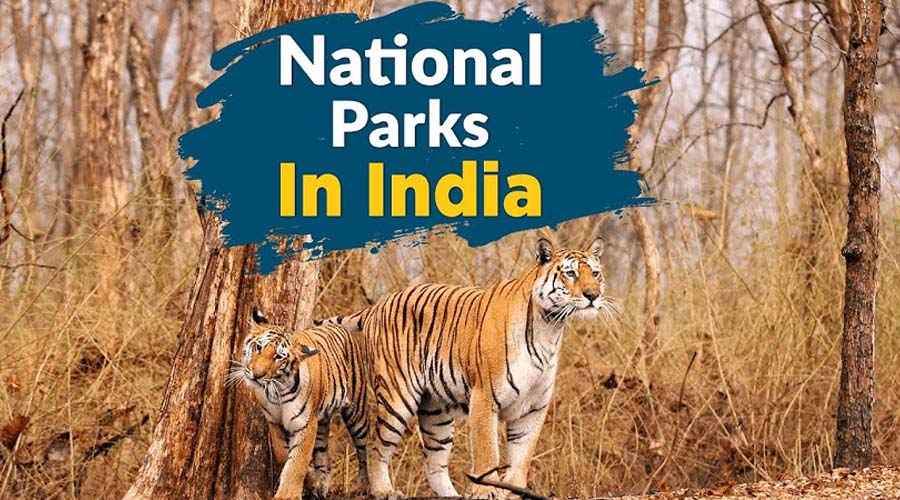
Jim Corbett National Park is the oldest national park in India and a pioneering conservation success story for the Bengal tiger. Established in 1936 and located in the Nainital district, it forms a large part of the Corbett Tiger Reserve. The park’s dense forests, rolling hills, and rivers provide habitat to a rich variety of wildlife including tigers, leopards, elephants, deer species, and over 650 species of birds. Jim Corbett is especially renowned for its thrilling safari rides, where visitors can witness Bengal tigers in their natural habitat. It also offers elephant safaris, bird watching, and the serene Corbett Waterfall. The park’s accessibility and well-developed infrastructure make it a top choice for wildlife tourism in India.
2. Rajaji National Park
Sprawled across the districts of Haridwar, Dehradun, and Pauri Garhwal, Rajaji National Park is famous for its population of Royal Bengal tigers and Asian elephants. This park lies in the Shivalik hills and is known for its lush forests comprising sal, shisham, and mixed deciduous trees. Rajaji is a paradise for bird watchers with over 400 species recorded, including the hornbill. The scenic landscape, combined with jeep and elephant safaris, trekking, and camping opportunities, draws tourists seeking a blend of wildlife and natural beauty. Its proximity to Haridwar and Rishikesh makes it easily accessible for visitors.
3. Valley of Flowers National Park
A UNESCO World Heritage Site, the Valley of Flowers National Park, located in the Chamoli district, is famed for its spectacular meadows ablaze with endemic and rare flowers during the monsoon months. While the park’s primary attraction is its vibrant floral diversity, it is also home to diverse wildlife such as musk deer, snow leopards, Himalayan black bears, and numerous bird species. The park offers some of the most breathtaking trekking routes, combining natural beauty with the thrill of exploring high-altitude wilderness. It is a perfect destination for botanists, trekkers, and photographers.
4. Nanda Devi National Park
Nanda Devi National Park is another UNESCO World Heritage Site, situated in the Chamoli district, featuring the iconic Nanda Devi Peak, the second-highest peak in India. The park’s rugged terrain includes glaciers, alpine meadows, and rocky mountains, hosting rare species like the blue sheep (bharal), snow leopard, and the elusive Himalayan musk deer. This park is part of the larger Nanda Devi Biosphere Reserve and offers limited access to preserve its fragile ecosystem, making each visit a special experience. Trekking through its pristine landscapes is an unmatched adventure for nature lovers.
5. Gangotri National Park
Gangotri National Park is the largest national park in Uttarakhand, located in the Uttarkashi district. Spanning over 2,390 square kilometers, it encompasses diverse ecosystems ranging from dense pine forest to alpine grasslands. The park houses endangered species such as the snow leopard, Himalayan tahr, blue sheep, and various pheasants. It is also renowned as the origin site of the River Ganges at Gaumukh glacier. Gangotri offers mesmerizing trekking routes such as the Gaumukh Tapovan and Kedartal treks, appealing to adventure seekers and wildlife watchers alike.
6. Govind Pashu Vihar National Park and Wildlife Sanctuary
Govind Pashu Vihar National Park and Wildlife Sanctuary, located in Uttarkashi, is a high-altitude park famous for its challenging terrain and rich biodiversity. This park is significant for the conservation of the Himalayan snow leopard and the Himalayan black bear. Its forest cover includes deodar cedar, oak, and conifers. Additionally, the park is a gateway for famous treks like Har Ki Dun and Kedarkantha. Its serene Juda and Ruinsara lakes add to the park’s natural charm.
7. Binsar Wildlife Sanctuary
Located in the Almora district, Binsar Wildlife Sanctuary offers panoramic views of the Himalayan peaks while sheltering a variety of wildlife including leopards, barking deer, jungle cats, and various bird species. Though smaller compared to other national parks, Binsar is prized for its biodiversity and tranquil environment. Visitors can enjoy nature walks while appreciating rare flora and fauna in a less commercialized setting.
8. Kedarnath Wildlife Sanctuary
Kedarnath Wildlife Sanctuary, situated in the Rudraprayag district, merges spiritual tourism with wildlife conservation. It encompasses habitats for species such as the Himalayan monal, musk deer, and snow leopard. The sanctuary also protects dense forests and alpine vegetation. It serves as an important corridor connecting various wildlife habitats and offers visitors the opportunity to experience both the spiritual aura of Kedarnath and the region’s rich ecology.
9. Askot Wildlife Sanctuary
Askot Wildlife Sanctuary in Pithoragarh district is known for its rugged terrain and diverse wildlife including Himalayan tahr, musk deer, snow leopard, and the Himalayan black bear. The sanctuary is rich in dense forests of oak, pine, and rhododendron and is an important habitat for migratory birds and butterflies. Adventure enthusiasts also use Askot as a base for exploring the higher Himalayas.
10. Benog Wildlife Sanctuary
Benog Wildlife Sanctuary near Nainital covers a small but ecologically crucial area of forested hills. The sanctuary provides refuge for several species including the sambar deer, barking deer, and numerous birds. Its flora consists mainly of pine and oak forests. The sanctuary’s scenic beauty and peaceful environment make it a favored spot for trekking and bird watching away from the busier tourist routes.
Conclusion
Uttarakhand’s national parks offer a rare blend of breathtaking natural beauty, rich biodiversity, and extraordinary wildlife experiences. From the majestic Bengal tigers of Jim Corbett to the vibrant alpine flowers of Valley of Flowers, these parks protect some of India’s most precious ecosystems. Whether one is an adventurous trekker, a nature photographer, or a wildlife enthusiast, Uttarakhand’s top national parks are an essential part of exploring the natural wealth of the Himalayas.