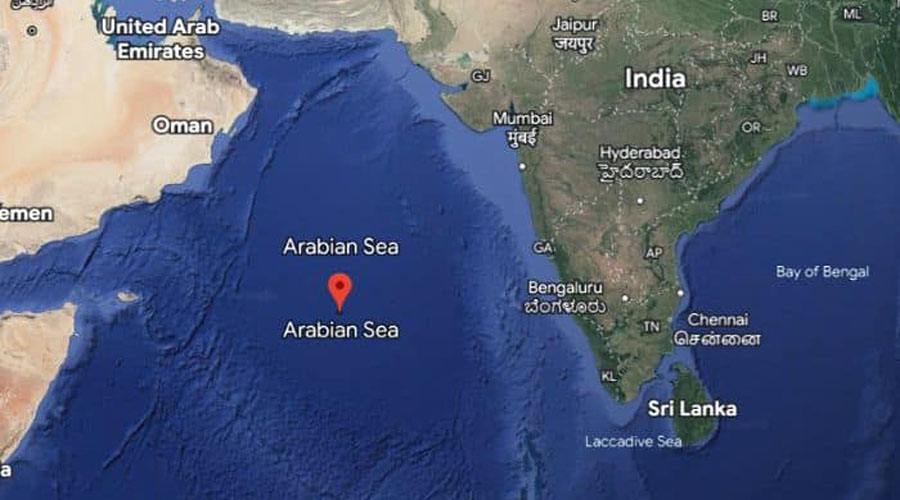
The Arabian Sea is one of the most important water bodies connected to India. It not only shapes the country’s western coastline but also plays a crucial role in trade, climate, fishing, tourism, and history. If you are wondering where the Arabian Sea is located in India, the simple answer is that it lies along the western side of the Indian subcontinent. However, its geographical, economic, and cultural significance goes far beyond its location on the map.
In this detailed guide, we will explore the exact location of the Arabian Sea in India, the states it touches, major cities along its coast, its geographical boundaries, and why it is so important for the country.
Geographical Location of the Arabian Sea
The Arabian Sea is a part of the northern Indian Ocean. It is situated between the Indian subcontinent and the Arabian Peninsula. In India, the Arabian Sea borders the western side of the country.
International Boundaries
The Arabian Sea is bordered by:
- India to the east
- Pakistan to the north
- Oman and Yemen to the west
- The wider Indian Ocean to the south
On the Indian side, it stretches from the northwestern state of Gujarat down to the southern state of Kerala.
Indian States Along the Arabian Sea
Several Indian states and union territories have coastlines along the Arabian Sea. These include:
1. Gujarat
Gujarat has the longest coastline along the Arabian Sea in India. The sea forms the western boundary of the state. Important coastal cities like Surat and Porbandar are located here. The Gulf of Kutch and the Gulf of Khambhat are also part of the Arabian Sea region.
2. Maharashtra
Maharashtra has a long Arabian Sea coastline known as the Konkan Coast. The capital city, Mumbai, lies on the Arabian Sea and is home to one of India’s busiest ports.
3. Goa
Goa, India’s smallest state by area, is famous for its beautiful beaches along the Arabian Sea. Tourism in Goa heavily depends on the sea.
4. Karnataka
Karnataka’s coastline, also part of the Konkan and Kanara regions, touches the Arabian Sea. Mangalore is an important port city here.
5. Kerala
Kerala lies in the southwestern part of India and is bordered by the Arabian Sea to the west. The state’s famous backwaters and fishing industries are connected to the sea.
Union Territories
The Arabian Sea also touches:
- Daman and Diu
- Lakshadweep (an island group located within the Arabian Sea itself)
Major Coastal Cities on the Arabian Sea
Several important Indian cities are located along the Arabian Sea coast:
- Mumbai – Financial capital of India
- Kochi – Major port city in Kerala
- Mangalore – Important trading port
- Panaji – Capital of Goa
- Surat – Major industrial hub
These cities benefit from maritime trade, fishing, tourism, and shipping activities.
Physical Features of the Arabian Sea Near India
The Arabian Sea has several unique geographical features along the Indian coast:
1. The Konkan Coast
This coastal strip runs along Maharashtra and Goa. It is known for rocky shores, cliffs, and beautiful beaches.
2. The Malabar Coast
Located in Kerala and parts of Karnataka, the Malabar Coast is famous for its coconut trees, backwaters, and spice trade history.
3. Gulfs and Inlets
The Gulf of Kutch and the Gulf of Khambhat in Gujarat are important inlets of the Arabian Sea that support ports and industries.
4. Lakshadweep Islands
The Lakshadweep islands are located in the Arabian Sea, about 200–400 km off the Kerala coast. These coral islands are known for marine biodiversity and tourism
.
Why the Arabian Sea Is Important for India
The Arabian Sea plays a major role in India’s development and daily life.
1. Trade and Shipping
India’s western ports handle a large portion of the country’s imports and exports. Ports like Mumbai and Kochi connect India to Europe, Africa, and the Middle East through the Arabian Sea.
2. Fishing Industry
Millions of people living along the western coast depend on fishing for their livelihood. The Arabian Sea is rich in marine life including fish, prawns, and crabs.
3. Climate and Monsoon
The Arabian Sea plays a key role in the Indian monsoon system. Moisture-laden winds from the sea bring heavy rainfall to states like Kerala, Karnataka, and Maharashtra during the southwest monsoon.
4. Tourism
Goa’s beaches, Kerala’s backwaters, and Mumbai’s Marine Drive attract millions of tourists each year. Coastal tourism significantly contributes to the economy.
5. Energy Resources
Offshore oil fields such as the Mumbai High oil field are located in the Arabian Sea, contributing to India’s energy production.
Arabian Sea vs Bay of Bengal
India is surrounded by two major seas:
- Arabian Sea on the west
- Bay of Bengal on the east
The Arabian Sea is generally deeper than the Bay of Bengal and has fewer large rivers flowing into it. In contrast, major rivers like the Ganges and Brahmaputra flow into the Bay of Bengal.
Distance and Spread Along India
The Arabian Sea coastline in India stretches approximately 7,500 kilometers including islands. It covers:
- Northwestern India (Gujarat)
- Western India (Maharashtra and Goa)
- Southwestern India (Karnataka and Kerala)
This makes it a vital geographical feature of the Indian subcontinent.
Historical Significance
The Arabian Sea has been important since ancient times. Indian traders used it to travel to:
- The Middle East
- East Africa
- Europe
Spices, textiles, and precious stones were exported through sea routes. The Malabar Coast was particularly famous for the spice trade.
Strategic Importance
The Arabian Sea is strategically significant for India’s defense. The Indian Navy maintains strong naval bases along the western coast to protect trade routes and national security.
Its location also makes it a key route for oil transportation from Gulf countries to India.
Conclusion
So, where is the Arabian Sea located in India? It lies along the entire western coastline of the country, from Gujarat in the north to Kerala in the south. It is part of the northern Indian Ocean and separates India from the Arabian Peninsula.
More than just a body of water, the Arabian Sea is central to India’s economy, climate, culture, and history. From busy ports like Mumbai to scenic beaches in Goa and the tranquil backwaters of Kerala, the Arabian Sea continues to shape life in western India.
Understanding its location helps us appreciate its importance—not only geographically but also economically and culturally—for the entire nation.