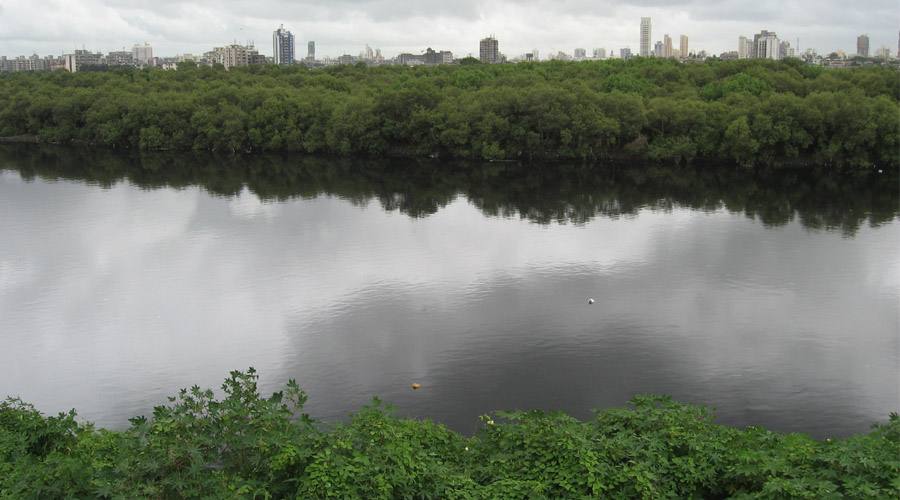
Mumbai — India’s financial capital — is a sprawling metropolis of gleaming skyscrapers, bustling streets, and vibrant culture. But beneath its metropolitan façade lies a watercourse that has silently shaped the city’s geography, ecology, and urban life: the Mithi River. Though today it is widely known for its pollution and flood risks, this river remains crucial to Mumbai’s environmental health, urban infrastructure, and future sustainability. Understanding why the Mithi River matters is essential for grasping the challenges and opportunities facing the city.
1. The Mithi River: A Brief Overview
The Mithi River is a seasonal watercourse flowing roughly 17–18 kilometres through central Mumbai, from Powai and Vihar Lakes to Mahim Creek and ultimately the Arabian Sea. It traverses key suburbs such as Powai, Saki Naka, Kurla, Kalina, Vakola, and Dharavi. Despite its modest length, its role in the city’s ecosystem and infrastructure is significant.
Historically, the river was a natural channel that drained rainwater and sustained wetlands and mangroves along its banks. However, rapid urban expansion, encroachments, and pollution have drastically transformed both its physical character and environmental function over the decades.
2. Crucial Role in Flood Management
Mumbai receives intense rainfall during the monsoon season every year — sometimes exceeding 300 millimetres in a single day. When this happens, water from lakes and roads needs to drain quickly to prevent flooding. The Mithi River serves as a natural stormwater drain, channeling excess rainwater toward the sea.
The importance of this function was tragically highlighted during the 2005 Mumbai floods, when extreme rainfall and a clogged river contributed to catastrophic waterlogging across the city. Thousands of people were displaced, and the disaster claimed many lives. Inadequate drainage capacity due to siltation, encroachments, and lack of natural floodplains was identified as a key factor that worsened the flooding.
As a result, city authorities launched several initiatives to rehabilitate the Mithi River and enhance its capacity to handle stormwater. These efforts — including widening, deepening, and installing flood control mechanisms — are ongoing and aim to reduce the risk of future monsoon flooding.
3. Natural Hydrological Function
Beyond human-made drains and sewers, the Mithi River historically maintained elements of Mumbai’s natural hydrology:
- Rainwater Drainage: By channeling monsoon runoff from inland lakes, roads, and catchment areas, the river helped maintain groundwater recharge and balance in surrounding neighbourhoods.
- Tidal Influence: Its connection to Mahim Creek and the Arabian Sea meant that tidal flows helped flush sediments and maintain water movement, preventing stagnation.
- Groundwater Interaction: Groundwater levels near the river were historically influenced by the natural ebb and flow of its waters, supporting shallow aquifers.
These natural hydrological services are now strained due to urban interference, but they underscore why this waterbody was once an integral part of Mumbai’s environmental system.
4. Ecological and Environmental Value
Long before it became polluted and encroached upon, the Mithi River supported rich biodiversity. Its banks once featured:
- Native fish and amphibian species
- Wetlands and mangrove vegetation
- Aquatic plants and riparian habitats
These ecosystems provided habitat for birds, fish, and other wildlife while also acting as natural buffers against floods and soil erosion. Mangroves — especially — are vital for stabilizing riverbanks and sequestering carbon, and their degradation has reduced Mumbai’s natural resilience to extreme weather.
In the past, species like certain native fish and even Indian marsh crocodiles were reportedly found in and around these waters, indicators of a healthy river ecosystem. With pollution and habitat loss, much of this biodiversity has been severely diminished.
5. Historical and Cultural Connections
The Mithi River runs through some of Mumbai’s oldest and most densely populated areas — places where communities, markets, industries, and settlements have grown for generations. For many residents, the river was once a source of fishing, recreation, and even pride.
Communities like the Kolis — Mumbai’s traditional fisherfolk — historically depended on riverine and coastal ecosystems for livelihood. As the river degraded, these cultural ties have been frayed, yet local groups are now advocating for revitalization and sustainable use that reconnects people with this waterway.
6. A Barometer of Urban Health
The health of the Mithi River reflects Mumbai’s broader environmental challenges:
- Pollution: The river receives untreated sewage, industrial effluents, and solid waste from surrounding areas. This has led to poor water quality, with studies reporting high levels of organic pollution and low dissolved oxygen — conditions unsuitable for aquatic life.
- Encroachments: Illegal constructions, slums, and industrial plots along the riverbanks have narrowed its capacity and hindered flow. Around 60% of banks in some stretches are encroached upon, reducing the river’s efficiency in carrying water.
- Groundwater contamination: Polluted surface water has led to seepage of toxic substances into groundwater, affecting water quality in adjacent areas where people may still depend on wells.
Because of this, the river has become a barometer for how Mumbai manages waste, sewage treatment, and urban growth. Efforts to clean and restore the Mithi are often linked to broader urban sustainability goals.
7. Modern Restoration and Infrastructure Initiatives
Recognizing the critical importance of the river, both environmentalists and authorities have taken steps toward its restoration:
- Revival Projects: The Brihanmumbai Municipal Corporation (BMC) and Maharashtra government have launched river development plans, including deepening, widening, and installing flood control structures.
- Pollution Control Infrastructure: New tunnels and diversion systems are being built to redirect sewage away from the river toward treatment plants — a key measure to improve water quality.
- Community Action: NGOs and local groups are working on clean-up drives, mangrove planting, and public awareness campaigns to restore ecological functions.
- Legal Oversight: Courts and regulatory bodies have intervened to limit harmful construction practices and enforce environmental protections.
8. Why the Future of Mithi River Matters
Restoring the Mithi River isn’t just about beautifying a polluted channel. It’s about resilience and sustainability for Mumbai in a changing climate:
- Flood Risk Reduction: As extreme rainfall events become more frequent with climate change, a healthy river with capacity to manage stormwater is vital.
- Public Health: Cleaner water reduces disease risks associated with polluted runoff and stagnant sewage.
- Urban Ecosystems: Rehabilitated riverbanks and wetlands can support biodiversity and improve air and water quality.
- Social Equity: Many low-income communities live along the river and suffer the worst impacts of flooding and pollution; restoration means improved living conditions and opportunities.
Conclusion
The Mithi River may be small in length, but its significance to Mumbai is vast. It is a natural drainage lifeline, a lost haven of biodiversity, a reflection of urban health, and a barometer of the city’s commitment to sustainable development. Understanding its importance — and acting to restore its function — is essential not just for environmental reasons, but for the safety, well-being, and future prosperity of millions of Mumbaikars.


