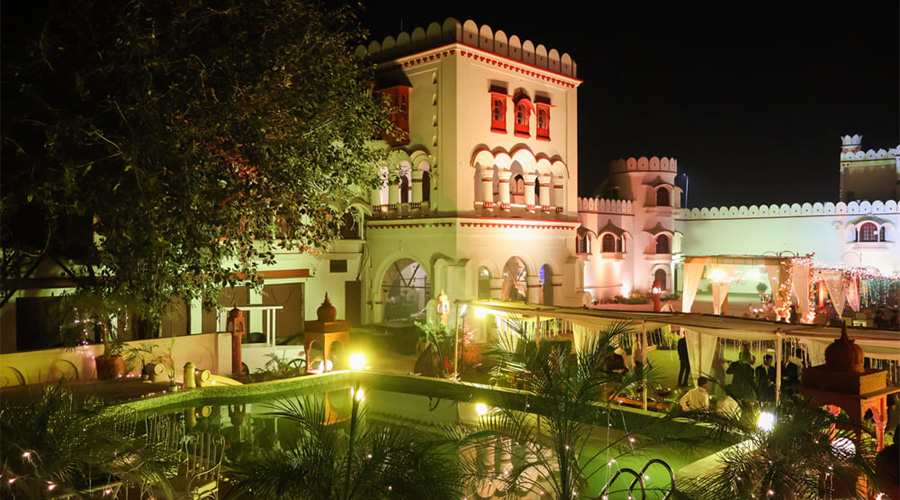
The Fort Ramgarh in Panchkula, Haryana is an extraordinary blend of history, architectural grandeur and contemporary hospitality. Steeped in centuries-old legacy, this remarkable property has transformed from a feudal stronghold into one of the most unique heritage hotels in northern India. In this article, we explore its fascinating history, the experience it offers today, and practical information about visiting and entry.
A Glimpse into History
The roots of Fort Ramgarh extend deep into India’s medieval past. Built about 360–390 years ago by the Chandel Rajputs, it was originally part of a powerful Rajput estate in the Cis-Sutlej region. The Chandel dynasty traces its lineage back to ancient times, with references linked to epochs like the Ramayana and Mahabharata. Before consolidating power in Punjab, the Chandels ruled large parts of central India from their stronghold in Bundelkhand, even commissioning iconic monuments like the Khajuraho temples.
The Fort played an important role throughout regional turmoil in the 18th and early 19th centuries. It withstood invasions and the expanding influence of powers like Maharaja Ranjit Singh, who campaigned across the Punjab and surrounding regions. Although treaties and British supremacy later reshaped political structures, Ramgarh preserved its autonomy longer than many neighboring chieftaincies before being drawn into colonial frameworks in the mid-1800s.
Over time, much of the original structure was lost or repurposed, but what remains — including the fortified zenankhana (women’s quarters) with its 18-ft thick walls — stands testament to the resilience and strategic importance of the site. Rather than fall into disrepair, the family of the original rulers continued to reside here and restore sections over generations.
From Fort to Heritage Hotel
In 2003, a significant transformation took place: The Fort Ramgarh was converted from a lived-in fort into a heritage hotel. The aim was to preserve its historical charm while introducing modern comforts. Today, the Fort offers visitors an immersive royal experience close to the vibrant cities of Chandigarh and Panchkula.
View this post on Instagram
The hotel maintains much of its traditional character — thick stone walls, narrow corridors, defensive bastions and intricately carved wooden doors. One of the most striking features is the tallest wooden door in India, recognized by the Limca Book of Records. This monumental entrance sets the tone for guests’ journeys back in time within the fort’s courtyards and chambers.
However, what makes the Fort distinctive among heritage properties is its unique cultural policy: it remains entirely vegetarian and alcohol-free, embracing traditional Rajput and North Indian customs in its dining and hospitality ethos — a rarity among Indian luxury heritage hotels.
Location & Setting
The Fort is strategically located in the foothills of the Shivalik range near Panchkula on National Highway 7 (NH-7). Its proximity to urban hubs like Chandigarh and Mohali makes it easily accessible by road. It is approximately 20–25 km from Chandigarh Airport and Railway Station, making it ideal for both tourists and travelers seeking an experiential stay near the Tricity area.
Surrounded by rolling hills and lush countryside, the Fort’s setting gives guests a tranquil escape that balances history and nature. Visitors can also combine their stay with visits to nearby attractions such as Morni Hills, Sukhna Lake, Rock Garden in Chandigarh, and other cultural sites of Panchkula.
Heritage & Features of the Property
Today, The Fort Ramgarh stands as much more than a hotel — it is an experiential destination. Some of its signature features include:
- Historic Architecture: Experience passageways, thick fort walls, ramparts and chambers that resonate with ancient Rajputana styles.
- Tallest Wooden Door: A highlight attraction and a world record-holder landmark.
- Tunnel Museum & Artifacts: Sections of the Fort preserve relics that give a glimpse into life centuries ago.
- Cultural Exhibits: Antique furnishings, weaponry, artworks and period décor enrich the heritage ambiance.
- Luxury Accommodations: Rooms range from elegantly restored heritage suites to modern royal chambers, furnished with antique pieces and blended with contemporary amenities.
- Recreational Facilities: Guests enjoy access to a swimming pool, spa services, billiards room, and golf range nearby.
- Event & Wedding Venues: Expansive lawns and halls make the Fort a sought-after venue for regal weddings and large gatherings.
The Fort’s cuisine reflects its vegetarian philosophy, with multi-cuisine dining options that highlight local and traditional dishes in a princely ambience.
Entry & Visitor Information
Unlike many heritage sites in India that charge an entry ticket, general entry to The Fort Ramgarh does not require a separate entry fee. Visitors and tourists are welcome to explore the property and its heritage areas without paying an admission charge.
Here are some practical details for visitors:
- Opening Hours: Generally 10:00 AM to 7:00 PM daily.
- Accommodation Booking: Rates vary by room type and season. Typically, heritage rooms, royal rooms and suites are priced per night, with packages and seasonal promotions available.
- Fees & Policies: While there’s no entry charge, additional fees may apply for services such as breakfast, early check-in, gala dinners on special occasions, or rollaway beds.
- Contact & Reservations: Advance booking is recommended — especially for weekends and weddings. Contact details are available on the official website.
Keep in mind that room prices and service charges can change cyclically, influenced by tourism seasons, special festivals and local demand. Hence it’s advisable to check the latest details directly before planning your stay.
Conclusion
The Fort Ramgarh in Panchkula is a living testimony to India’s regal past and vibrant present. With its centuries-old walls standing tall beside modern luxury, it offers guests more than just a hotel experience — it delivers a journey through time. Whether you’re a history enthusiast, a cultural traveller, or a couple seeking a royal wedding venue, this historic treasure near Chandigarh is an unforgettable destination. Its free entry for casual visitors further makes it accessible as a heritage landmark for everyone to appreciate.