Nestled in the heart of West Bengal, Paschim Bardhaman district presents a compelling blend of industrial vigor, rich heritage, and natural beauty, making it an intriguing destination for travelers. Known as the “Ruhr of India” for its coal mining and steel industries, Paschim Bardhaman also offers a surprising array of cultural landmarks, natural landscapes, and historical sites that appeal to nature enthusiasts, history buffs, and spiritual seekers alike.
Diverse Natural Attractions
Paschim Bardhaman’s landscape is marked by diverse natural spots that cater to outdoor lovers and photographers. The Susunia Hills stand out as a favorite destination for trekking and nature exploration. Renowned for their ancient rock inscriptions, lush greenery, and panoramic hilltop views, these hills are a haven for adventure seekers and history enthusiasts alike. The cool climate during winters enhances the experience of hiking and absorbing the serene environment.
Maithon Dam is another jewel in the district’s natural offerings. Located on the Barakar River, this dam not only serves as a hydroelectric power source but also attracts visitors with its boating facilities and scenic picnic spots. Birdwatching is a popular pastime here, thanks to the diverse avian species that inhabit the area. This spot combines the joys of water-based recreation with nature’s tranquillity.
In Durgapur, Deer Park provides an urban oasis where families and nature lovers can unwind amidst various species of deer and extensive green spaces. Additionally, the Riverside Promenade along the Damodar River offers peaceful walking paths and picnic areas, perfect for leisurely afternoons immersed in nature. These spots emphasize the district’s commitment to preserving green environments even amid industrial activity.
Rich Cultural and Historical Heritage
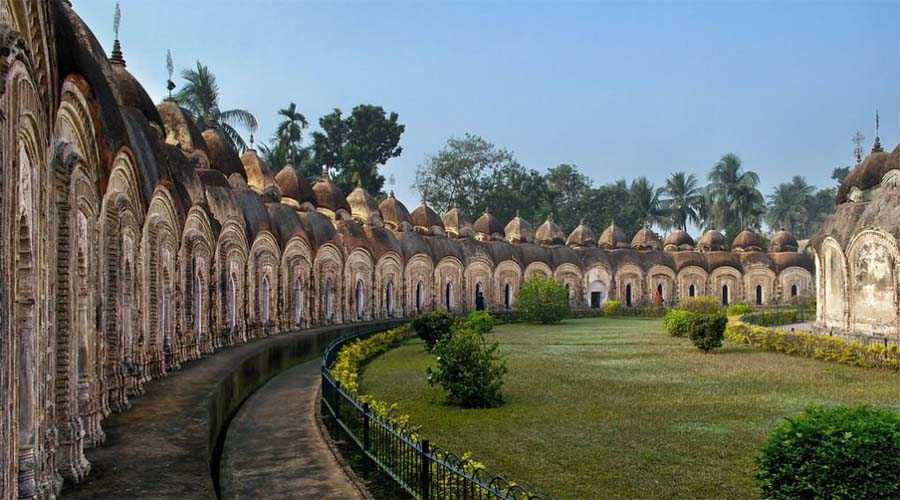
Paschim Bardhaman is not only about nature; it deeply resonates with historical and cultural significance. The district is dotted with ancient temples and archaeological sites that narrate stories from India’s past. The 108 Shiva Temples in Ambika Kalna are a remarkable sight, famed for their terracotta architecture and intricate mythological artwork. These temples form a spiritual and architectural treasure trove, attracting pilgrims and tourists interested in India’s temple art.
The Kalyaneshwari Temple near Asansol offers a sacred space dedicated to Goddess Kalyaneshwari. This temple’s serene ambiance and beautiful architecture make it a favored pilgrimage site, where visitors can immerse themselves in devotion and local traditions.
Joychandi Pahar, beside Raghunathpur, combines natural beauty with historical intrigue. This scenic hill offers panoramic views and serves as a cultural hub with activities like rock climbing and trekking. Nearby, visitors can explore archaeological ruins and the Deul Park that reflect the district’s ancient heritage.
History enthusiasts can also connect with Paschim Bardhaman’s role in India’s colonial past, with its rich involvement in historical events and industrial development reflected in sites like the Durgapur Steel Plant. Guided tours here provide insight into the steel manufacturing process and the region’s industrial evolution.
Scenic Urban Experiences and Festivals
The district’s urban centers, particularly Asansol and Durgapur, blend industrial development with cultural vibrancy. Nehru Park and Shatabdi Park in Asansol offer well-maintained green spaces enriched with walking paths and recreational facilities, ideal for families and visitors looking for a relaxed urban experience close to nature.
Festivals such as Durga Puja, Kali Puja, and Holi celebrate the district’s vibrant culture with colorful festivities, traditional music, and dance. These celebrations bring the streets alive, offering visitors a chance to witness and participate in the region’s rich cultural tapestry.
Practical Information for Visitors
Paschim Bardhaman’s climate is generally warm in summer, reaching up to 40 degrees Celsius, while winter temperatures can dip to around 5 degrees Celsius, making the cooler months from November to February the best time to visit. The district is well connected by road and rail, with lodging options in Bardhaman, Asansol, and nearby tourist spots ranging from hotels to guesthouses and resorts.
Adventure seekers can indulge in rock climbing in Susunia Hills, boating in Maithon Dam, and trekking in Joychandi Pahar, while families can enjoy picnics in parks and along riverbanks. Educational outings can be arranged to places like the Meghnad Saha Planetarium and Bardhaman Science Centre, adding another dimension to the visit.
Conclusion
Paschim Bardhaman stands out as a destination where nature’s splendor meets deep-rooted heritage and modern industry. Whether it is the thrill of trekking amidst ancient hills, the spiritual calm in historic temples, or the vibrant celebration of festivals, the district engages all types of travelers. For those looking to explore a part of West Bengal that offers more than the usual, Paschim Bardhaman invites you to discover its unique charm and diverse attractions.